Best Travel Backpacks 2026: Six Carry-On Picks We Tested
Carry-on backpacks in 2026 pack smarter and weigh less, so we took six of them on real trips across Europe and the United States to find which ones earn their price and fit strict cabin rules.
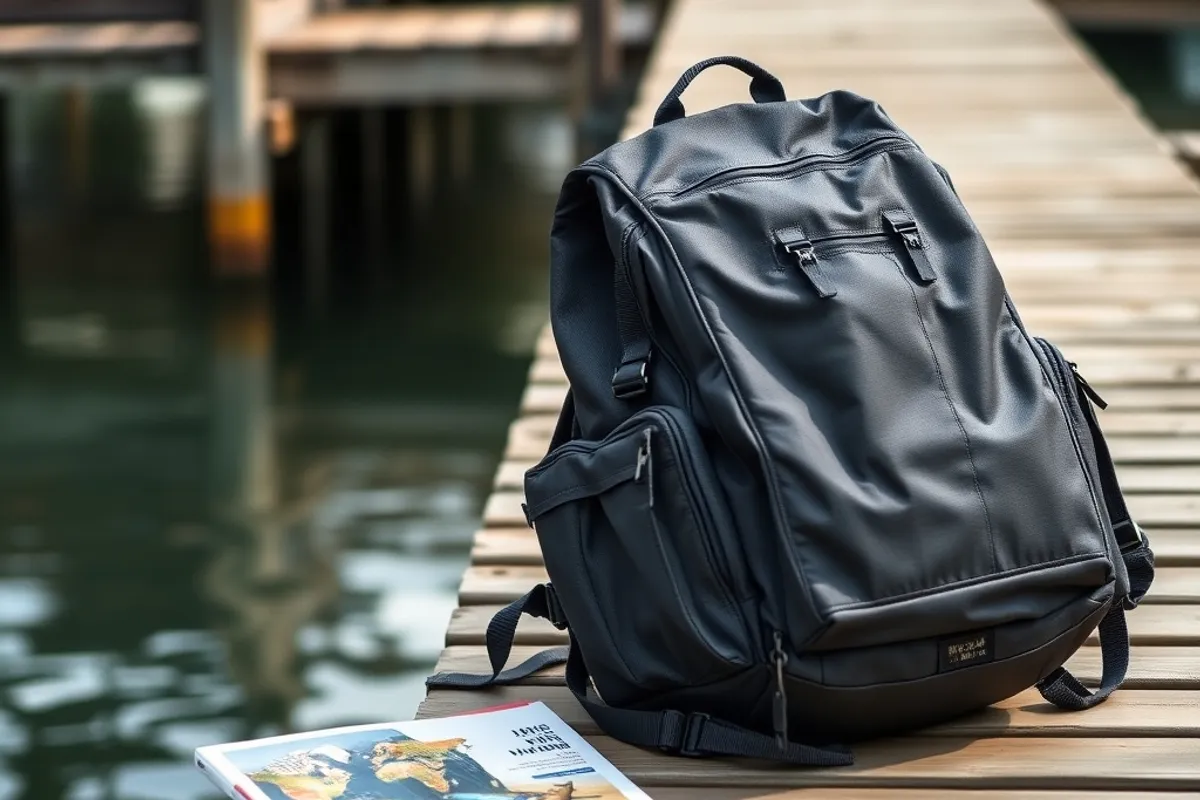
What to look for in 2026
Carry-on rules tightened again in 2026, and the gap between a pack that fits and one that gets gate checked is now measured in centimetres. The first thing to check is the published dimensions against your airline, not the litre figure. A bag sold as 40 litres can still miss a sizer if the frame bulges when full. We carry a tape measure to every test because a soft bag changes shape once you load it.
Weight matters as much as volume. Cabin limits from 7 kg to 10 kg punish heavy harnesses and thick foam. Look for a bag around 1200 to 1500 grams with a hip belt you can remove for city days. Our travel gear section covers the accessories that pair well, and for durable fabric standards we check the testing notes at REI before buying.
Our top pick: the Aurex Trail 40
The Aurex Trail 40 was the pack we reached for first on every trip. It weighs 1340 grams, opens flat like a suitcase, and swallowed a week of clothes in five packing cubes. The 210 denier ripstop nylon shrugged off a scrape along a train platform, and the branded zips never snagged once.
Its best feature is the harness. The padded hip belt transfers about half the load, so a fully packed 9 kg felt closer to 6 kg across a long walk to the hotel. The trade off is cost, because at about 195 euros it sits near the top of this group. Buy it if you travel often and want one bag to last several seasons.
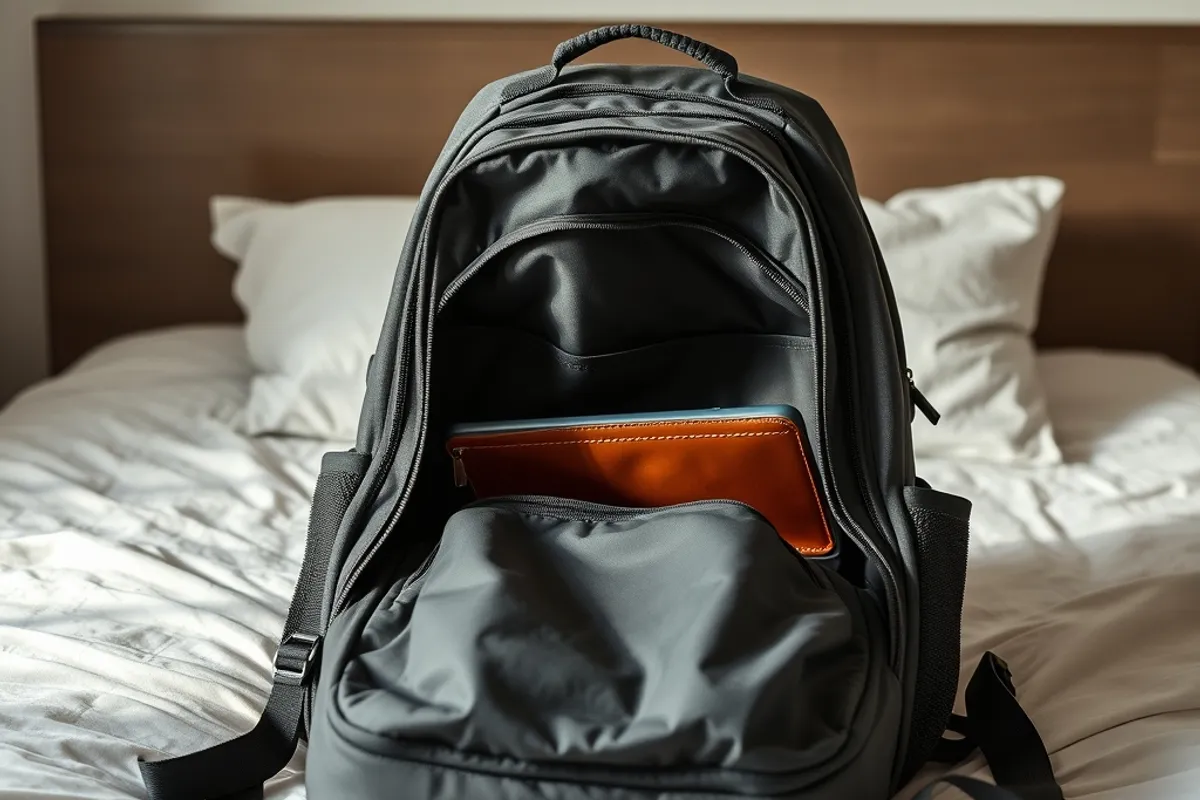
Best for strict cabins: the Northwind Voyager 38
The Northwind Voyager 38 is built for tight cabins. At 38 litres and 1265 grams it slid into every sizer we met, including the tighter European limits. A clamshell opening and two compression straps let you flatten the load, and the laptop sleeve holds a 16 inch machine against the back panel.
The fabric feels thinner than the Aurex, a 150 denier blend, so we would not trust it against rock. In cities it was fine. The rain cover stores in the base and came out fast when a shower caught us. At roughly 140 dollars it undercuts most rivals and remains our pick for the nervous flyer.
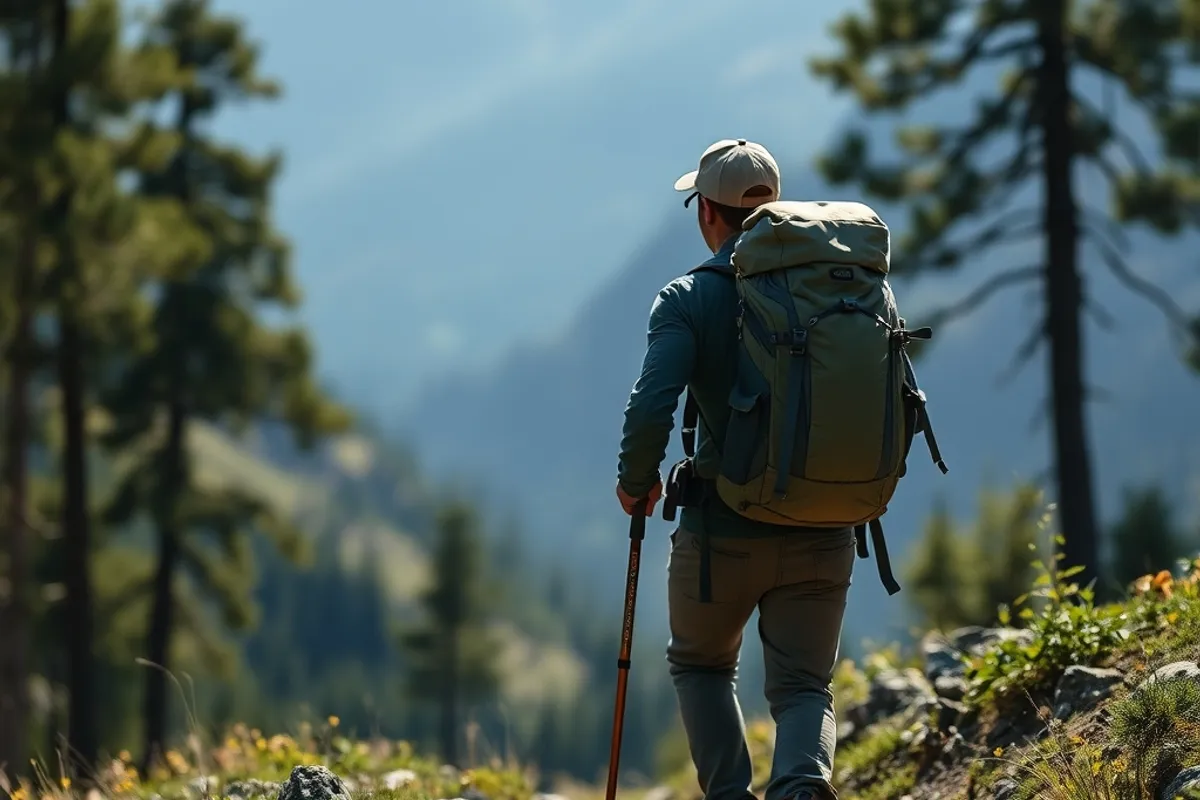
A good carry-on backpack disappears on your back and leaves you room to travel instead of room to worry about a gate check.
Best value: the Vega Roam 35
The Vega Roam 35 is the value pick. At 89 dollars it still offers a flat opening, an internal compression strap and a usable hip belt. Volume is honest at 35 litres, which is enough for a long weekend. The materials are basic, a 300 denier polyester, but the stitching held through a month of testing.
Where it saves money is the harness. The belt is thin and transfers little weight, so it carries well up to about 7 kg and then starts to dig. The zips are unbranded and ran slower after sand got in. Treat the Roam as a first backpack or a spare, not a lifetime buy.
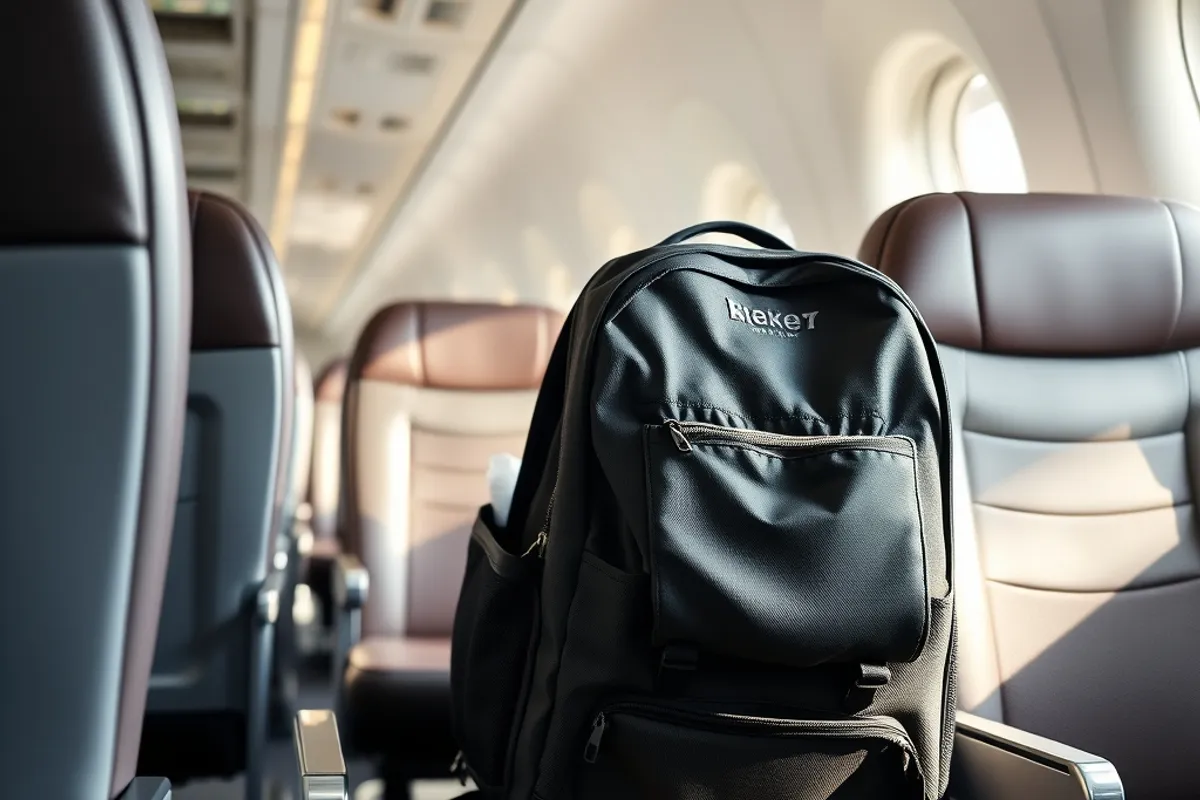
Best for electronics: the Lumen Trek 42
The Lumen Trek 42 targets people who carry electronics. A separate padded pocket fits a 17 inch laptop plus a tablet, and a top quick grab pocket keeps a passport and cable within reach. Weight is higher at 1520 grams because of the foam, but the structure keeps the bag standing when empty.
Access is excellent from three sides and the main compartment opens wide. The downside is bulk, because at full width it struggled in one budget airline sizer. The 42 litres are generous, so pack less than you think. At about 165 euros it suits remote workers who move between hotels and cafes. The padded top handle is comfortable when you carry the bag by hand through a busy station.
Best for trails: the Kestrel Peak 40
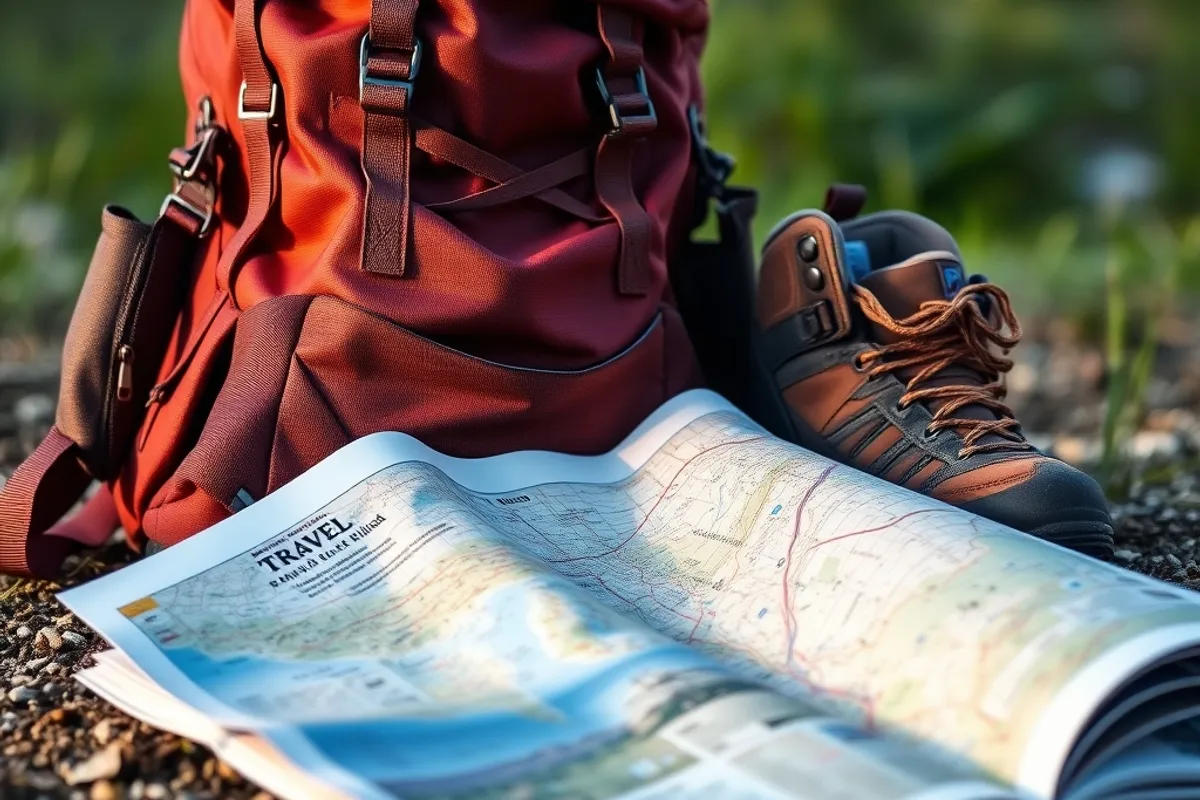
The Kestrel Peak 40 doubles as a day hiking pack. The suspension uses a tensioned mesh back panel that keeps the bag off your spine, which made a difference on a hot afternoon. It carries 10 kg with less sway than any other bag here. The hip belt is wide and molded, which helps when the pack is heavy and the trail climbs.
The catch is cabin fit. At 40 litres with a fixed frame the Peak is the most likely to be gate checked on small planes. It also lacks a flat suitcase opening, so you unpack from the top. If your trips mix towns and trails, this is the one. Otherwise pair it with a smaller city bag.
How we tested
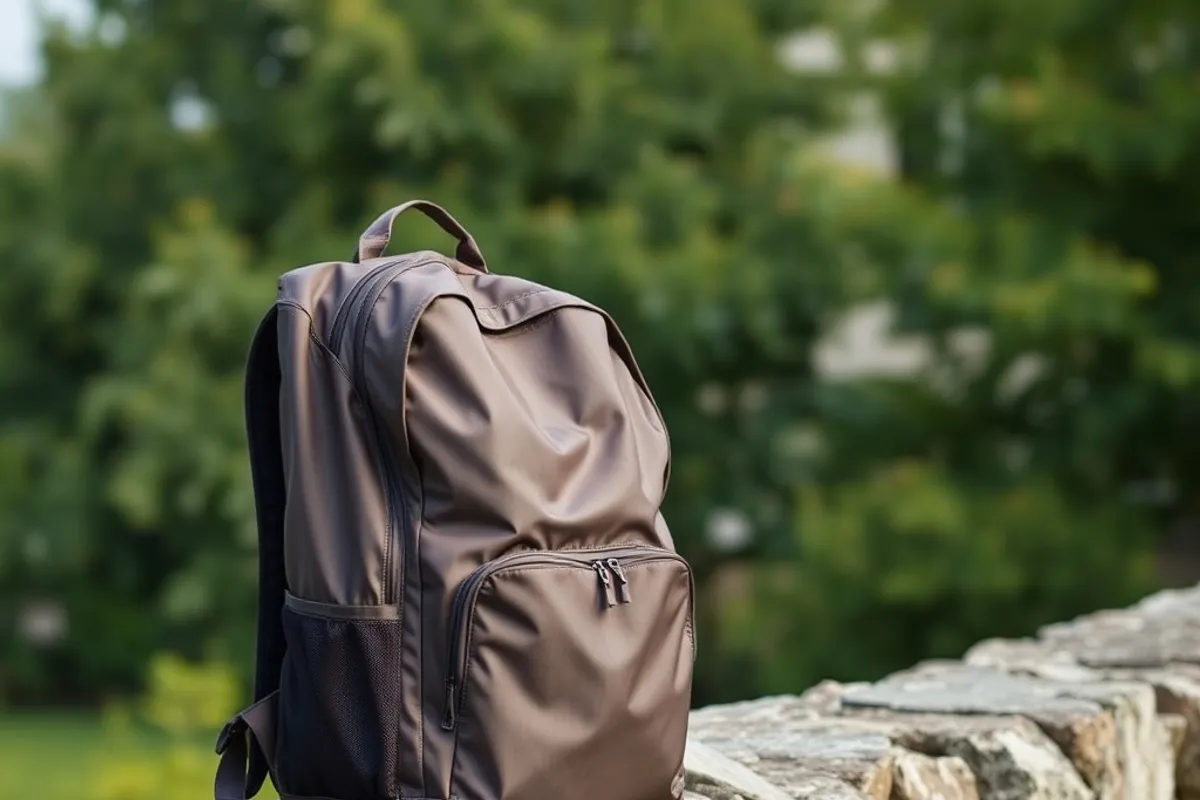
We tested six packs over ten weeks on trips through Portugal, Germany and the United States. Each bag carried the same load of five packing cubes, a laptop, a toiletry kit and a rain shell. We weighed every load in grams and walked each one at least 5 km through airports and city streets.
We measured against published cabin rules and checked each bag in real sizers. Fabric was judged by denier and by how it handled abrasion against concrete and metal. For context on how independent labs rate durability, see the luggage testing at Consumer Reports. For packing technique that cuts bulk, read our guide to the best packing cubes.