48 Hours in Lisbon: A Complete Weekend Travel Guide
Lisbon fits neatly into a weekend, with trams, tiled facades and hilltop views packed into a few walkable neighbourhoods, and this plan runs from Friday evening to Sunday afternoon without wasting an hour.
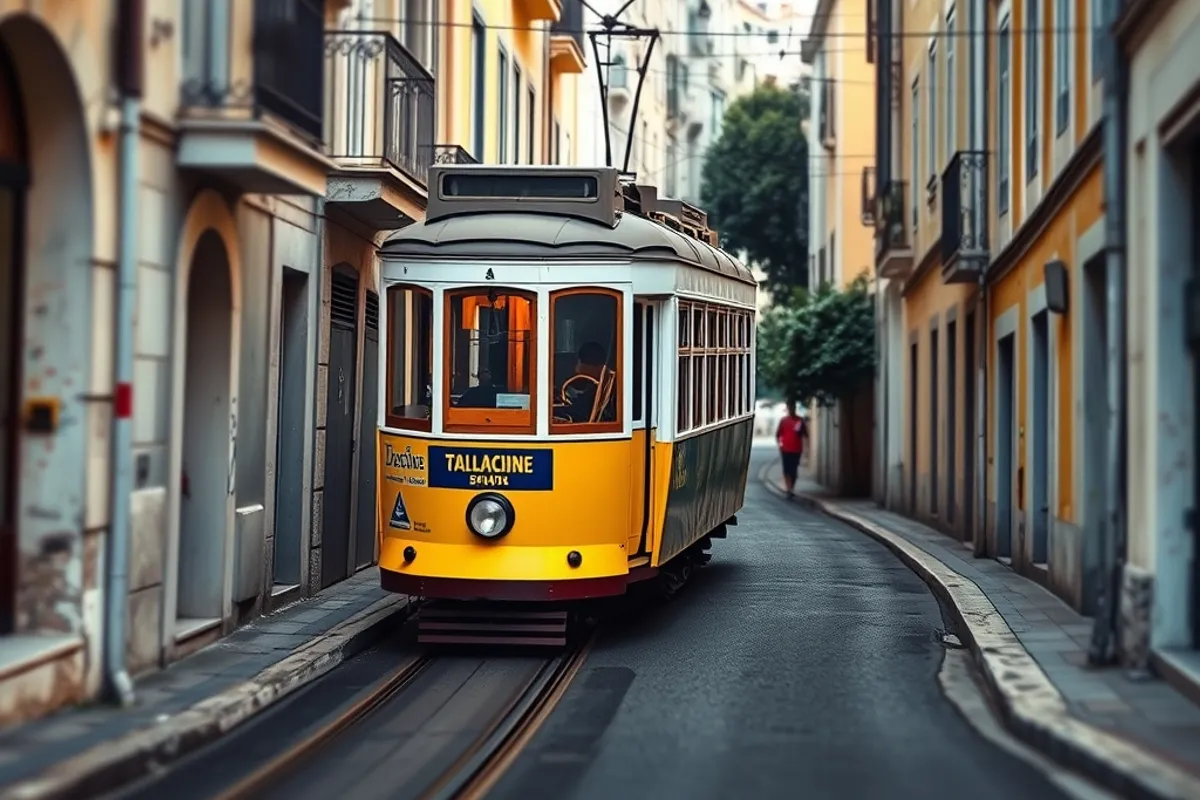
Why Lisbon works in 48 hours
Lisbon is small for a capital, and that is its main advantage. The airport is twenty minutes from the centre by metro, the historic districts sit close together and the river gives you a fixed point to steer by. You can cover Alfama, Baixa, Chiado and Belem in two days without rushing, as long as you accept the hills.
Plan around the light rather than a checklist. Morning suits Belem and the river, afternoon suits the miradouros and the tiled streets, and evening belongs to fado and grilled fish. For a fuller list of short European trips that pair well with this one, see our city breaks section, and for a cross city comparison read our best European city breaks guide. The official tourism site, Visit Lisboa, lists current opening hours.
Friday evening: Baixa and Alfama
Land, drop your bag and start at Rossio square as the light fades. Walk down the pedestrian Rua Augusta through the arch to the river, then turn left along the water toward Alfama. The streets climb quickly, so take the tram 28 only if your legs are done, because the walk is the point.
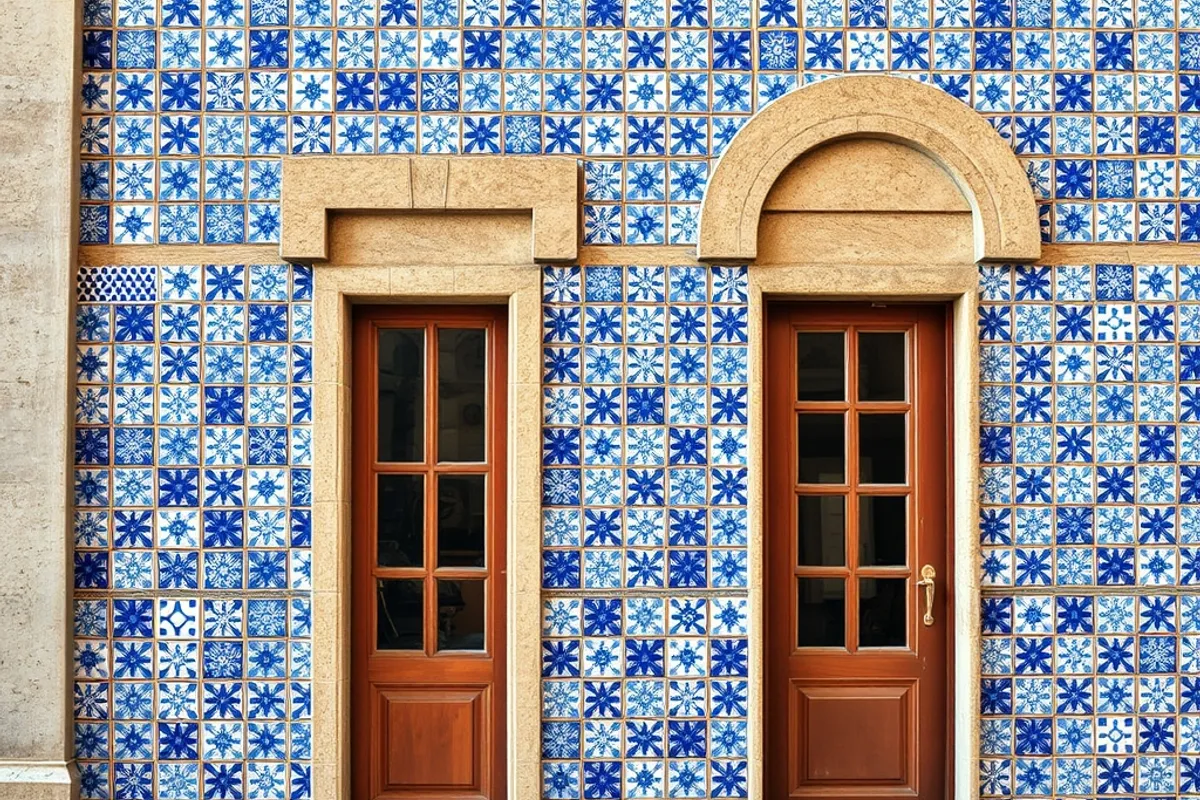
Dinner in Alfama means grilled sardines or bacalhau in a tiny room with tiled walls. Expect about 15 euros for a main and 4 for a glass of vinho verde. Finish at a miradouro such as Santa Luzia, where the rooftops glow and someone is usually playing a guitar. A room near Baixa-Chiado keeps the walk home short.
Saturday morning: Belem and the river
Take tram 15 west along the river to Belem. The Jeronimos monastery opens early, and the queue grows fast, so arrive before ten. Next door the tower on the water and the Monument to the Discoveries mark the age of sail, and the whole strip is flat and easy to walk.
Do not leave without a pastel de nata from the famous bakery near the monastery, still warm and dusted with cinnamon for about 1.50 euros. The Berardo collection of modern art sits a short walk away and is free for many visitors. A 24 hour transport pass costs about 7 euros and covers the trams, the metro and the funiculars. The river path beside the monuments makes a calm loop back to the tram stop, with trees and a few benches along the water.
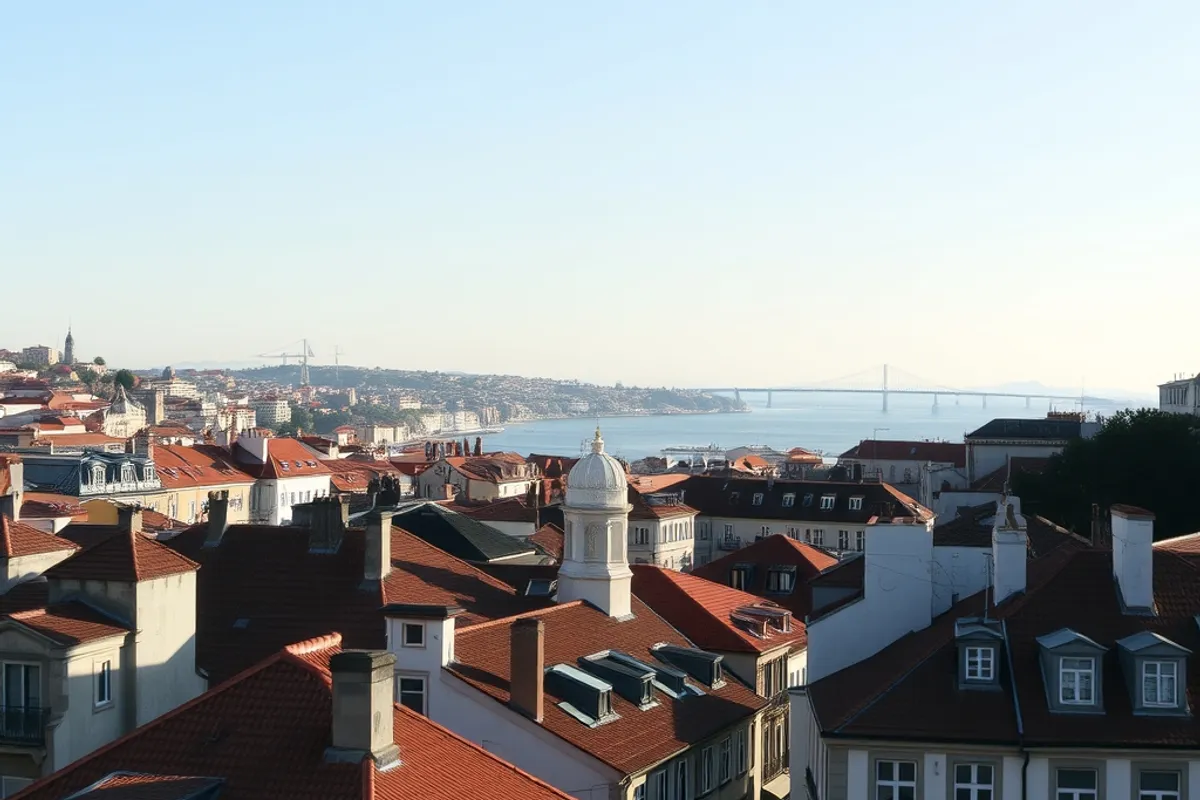
Lisbon rewards slow walking, because the best views sit at the top of streets you almost decide to skip.
Saturday afternoon: Chiado and Bairro Alto
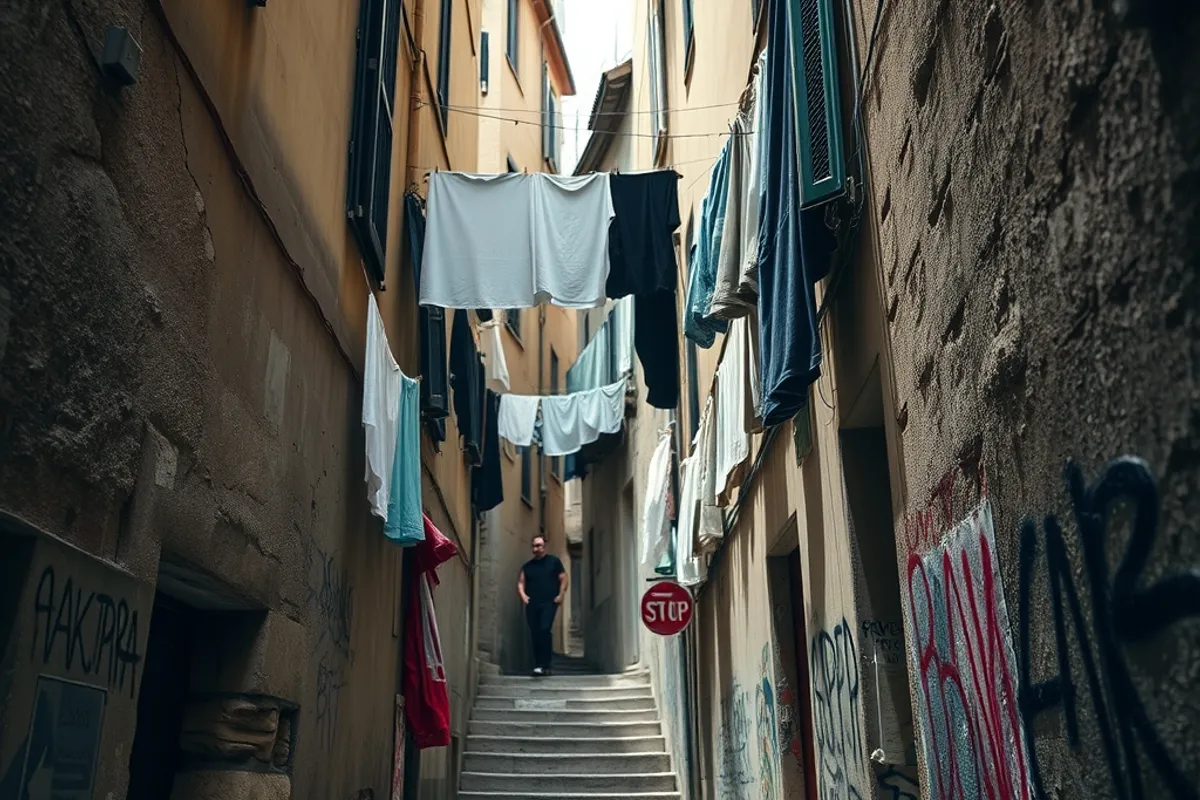
Ride back east and get off at Chiado, the elegant shopping quarter. Stop at a century old cafe for a bica, the small strong coffee, then climb toward Bairro Alto through lanes of tiled houses. The streets here are steep and narrow, and each corner opens onto a small square with a kiosk selling drinks.
The Santa Justa lift connects the lower streets to the higher ones, though the queue is long and the view from the top of Bairro Alto is free. By late afternoon the bars begin to open and the neighbourhood shifts from quiet to busy. Stay for a beer at a kiosk before dinner, and watch the city change mood around you.

Saturday evening: fado and seafood
Book a small fado house in Alfama or Mouraria rather than a large dinner show. A real room seats thirty people, serves simple food and lets the singers work without a microphone. Dinner with a glass of wine runs about 30 euros, and the music usually starts around nine.
If you want the seafood instead, head to Cais do Sodre and order grilled squid or clams with garlic and coriander. The riverfront is loud and lively late into the night. Walk home along the water to burn off dinner, and keep an eye on the 25 de Abril bridge lit up across the Tagus.
Sunday: miradouros and a last pastel
Spend the final morning on the viewpoints, or miradouros, that frame the city. The Senhora do Monte and Graca terraces give the widest view over the castle and the river, and both are quiet before the crowds arrive. Take tram 28 up if you prefer, then walk back down through the old streets.
Grab a final pastel de nata and a coffee near Figueira square before you leave. If your flight is late, the tile museum or the flea market at Campo de Santa Clara fills an hour or two. Allow about forty minutes to reach the airport by metro, and buy your travel card before the last ride. The metro runs until one in the morning, so a late departure is easy to manage without a taxi.
How we researched
We walked this route twice, once in November 2025 and again in March 2026, timing each leg and paying for every meal, tram and entry. Prices here are what we actually spent, rounded to the nearest euro. We judged the plan on how little it wasted, not on how much it packed in.
Opening hours and transport fares were checked against Visit Lisboa. Some sights close on Mondays and the fado rooms fill quickly at weekends, so book ahead for Saturday night. Treat the timings as a shape for your day, not a rigid schedule.