Best City Breaks in Europe 2026: Seven Weekend Trips
From riverside port cellars in Portugal to canal side student towns in Belgium, we spent a year taking two night trips across Europe to find seven city breaks that reward a short visit without stretching a normal travel budget.
What to look for in 2026
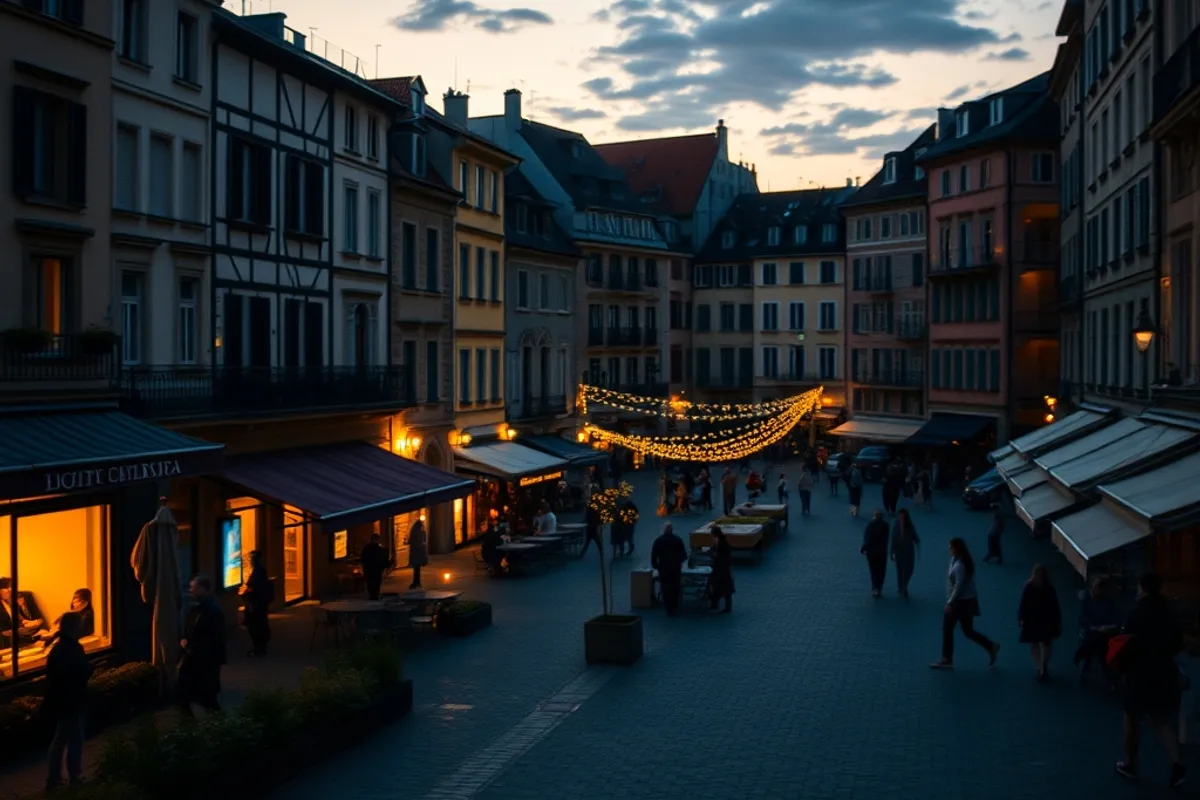
A city break works when the airport or station sits close to the old town, the streets are walkable and the food is good at lunch rather than only at dinner. In 2026 the strongest trips are the ones you can finish on foot. We looked for compact centres, reliable trams and hotels within a twenty minute walk of the main square. Rail connections have improved, and Rail Europe now sells many of these routes as single tickets from major hubs.
Price matters as much as distance. A weekend in a western capital can cost twice as much as a smaller city with better food. We set a ceiling of 160 euros a night and found it enough in most of the towns below. For a wider buying framework, our city breaks section compares routes by season, and our Lisbon weekend guide shows how to plan an hour by hour trip.
Porto, Portugal: cellars and river views
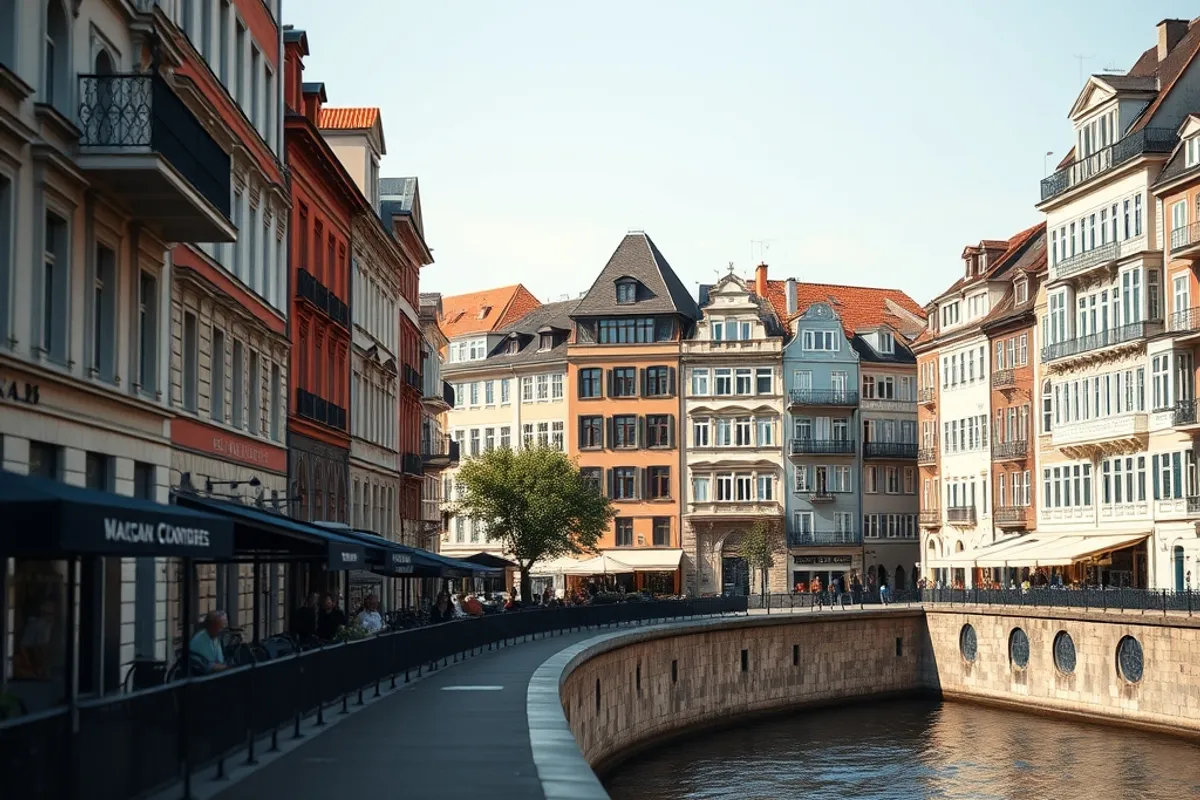
Porto packs a working river, a medieval quarter and a row of port cellars into two easy days. Start in Ribeira, the riverside strip of tall painted houses, then cross the Dom Luis I bridge on the upper deck for the view back over the Douro. On the far bank in Vila Nova de Gaia the lodges pour tastings from about 15 euros, and a glass of tawny comes with a lesson in how the wine ages.
Eat a francesinha if you want the local test, a heavy sandwich of sausage and steak under melted cheese and beer sauce. The Clerigos tower gives the best rooftop view for roughly 6 euros, and the Lello bookshop nearby opens early to beat the queue. Hotels near Aliados put you within a fifteen minute walk of most sights, with doubles from around 100 euros in March.
Valencia, Spain: gardens and rice
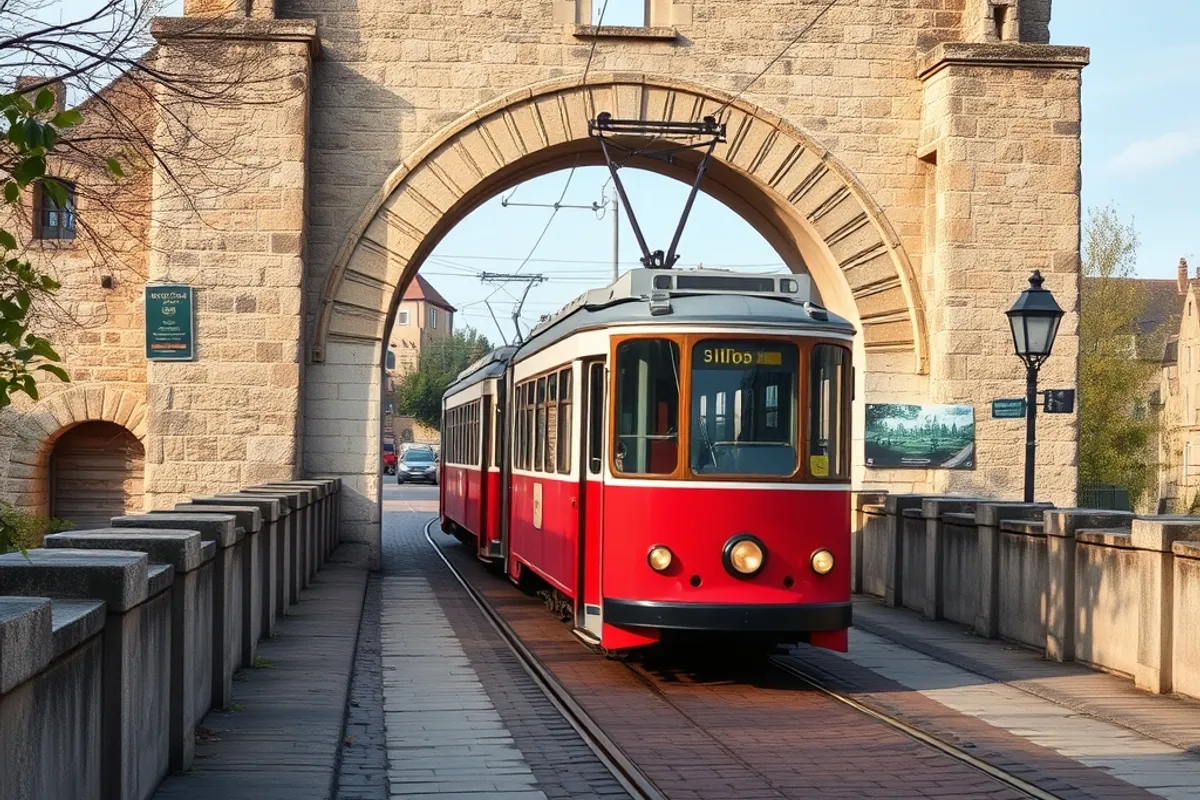
Valencia splits cleanly between an old town and a long green ribbon where the river used to run. The Turia gardens now carry joggers, cyclists and families past the white shapes of the City of Arts and Sciences, and the whole route is flat. Walk from the Central Market to the cathedral in ten minutes, then follow the gardens down to the beach at Malvarrosa.
Order paella at lunch, not dinner, and look for a place away from the tourist squares. A good menu del dia costs about 13 euros and includes a starter, a main and dessert. Spring is the best window, with warm afternoons and fewer crowds than July. A hotel in Ruzafa, the old working quarter turned bar district, keeps you close to dinner and about 20 minutes from the centre.
A good city break is not about seeing everything, it is about seeing enough to plan a second visit.
Bologna, Italy: porticoes and pasta
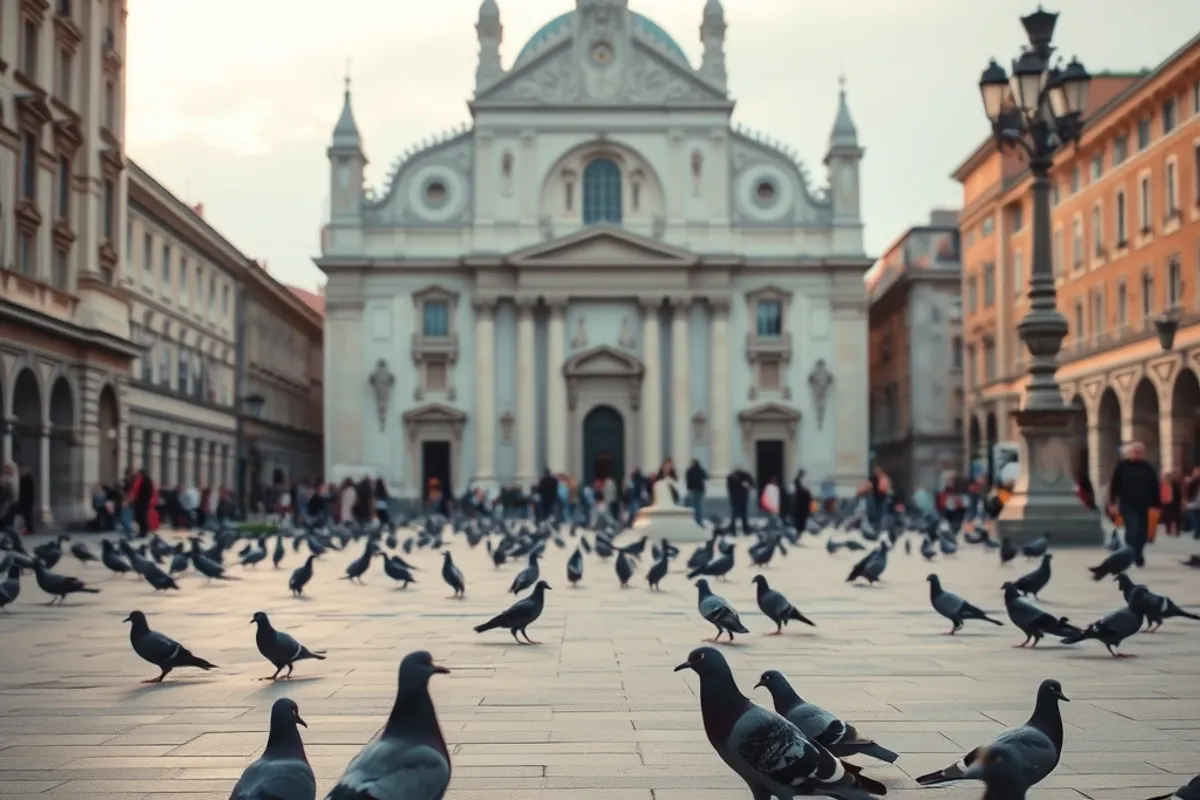
Bologna is red brick, long covered walkways and the best everyday food in northern Italy. The porticoes run for almost 40 kilometres, so rain never ruins a day. Stand in Piazza Maggiore, climb the Asinelli tower for a small fee, then wander the Quadrilatero for cheese, cured meat and fresh pasta sold from open stalls.
A plate of tagliatelle with ragu costs about 12 euros in a trattoria off the main square, and the local sparkling wine, Lambrusco, is cheap and served cold. The city is a rail hub, which makes it an easy add on to Florence or Venice. Book a room near the Two Towers for around 120 euros and you can reach every sight on foot within half an hour.
Krakow, Poland: a square and a castle
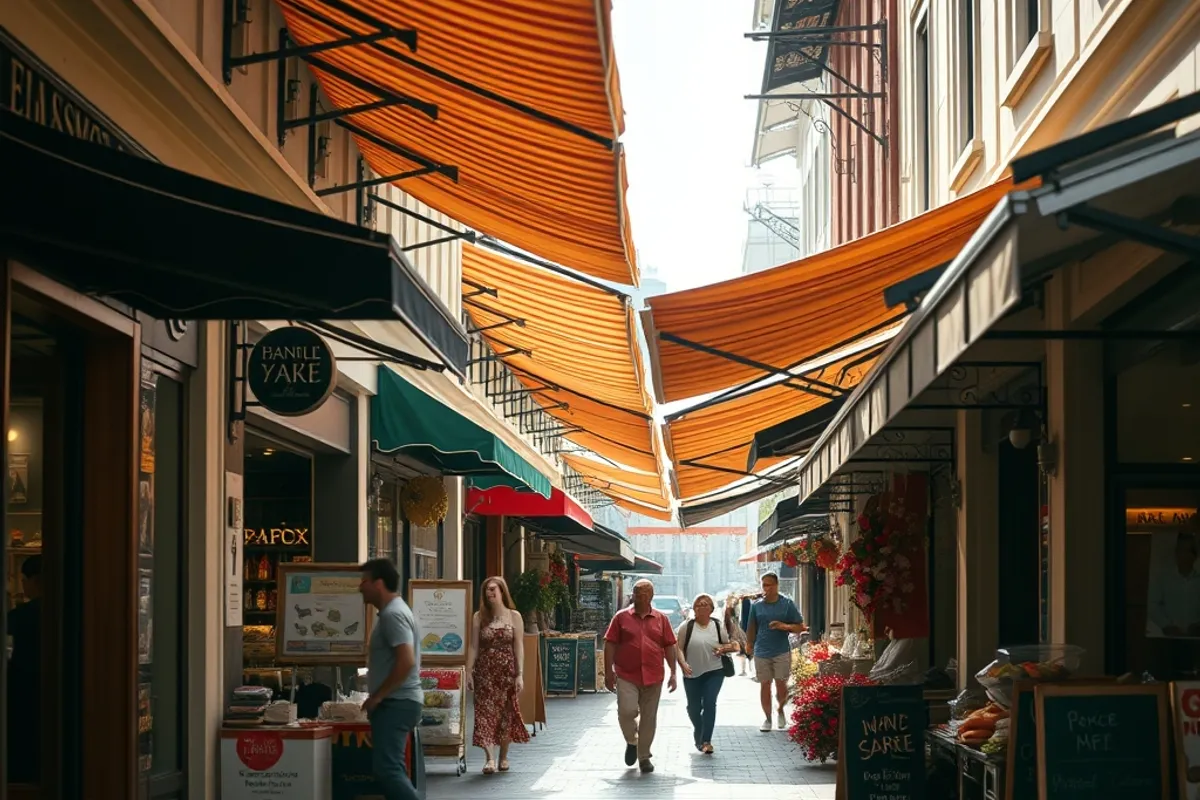
Krakow offers the grandest old square in central Europe at a fraction of western prices. Rynek Glowny holds the cloth hall and the brick St Mary basilica, where a trumpeter plays a short call every hour. From there Wawel castle sits on a hill above the river, and the walk between them takes fifteen minutes along Grodzka street.
In the evening head to Kazimierz, the old Jewish quarter, now full of small bars and cheap pierogi. A plate of dumplings costs about 7 euros and a local beer around 3. Hotels in the old town start near 70 euros a night, and a day trip to the Wieliczka salt mine is an easy bus ride if you want one more stop.
Ghent, Bruges and Seville
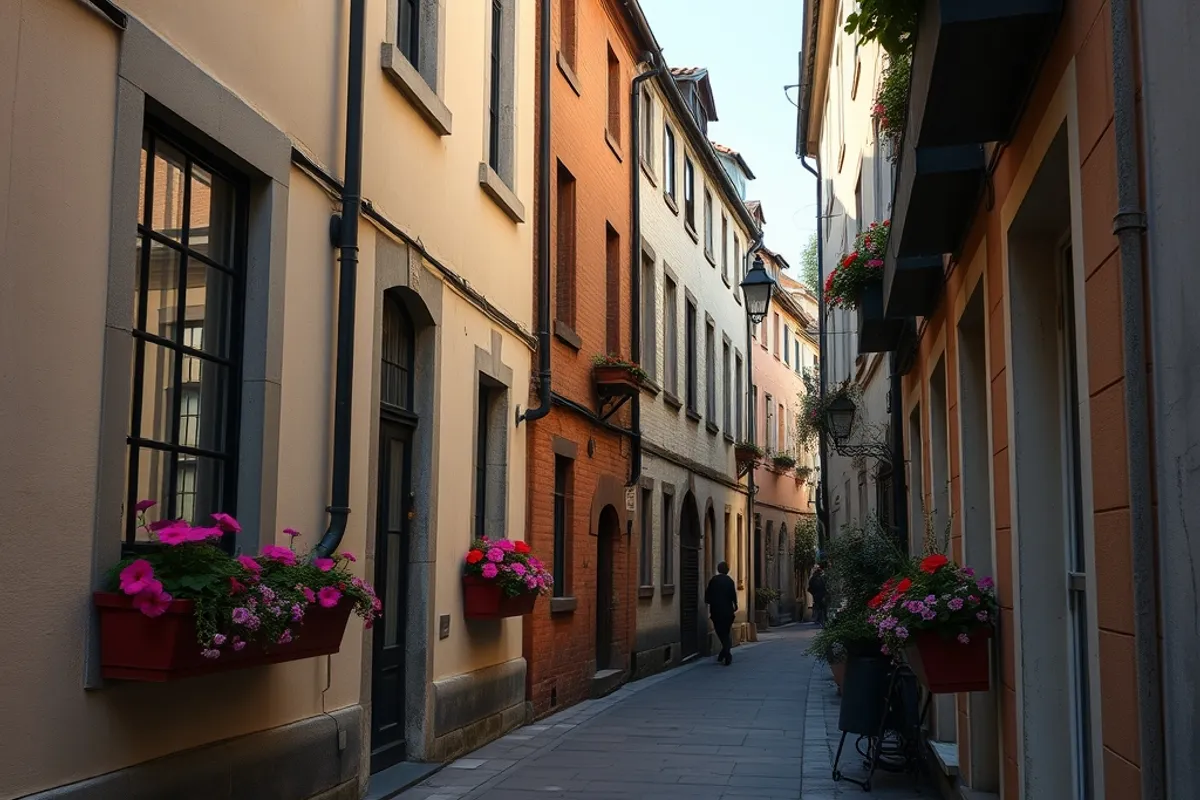
For a shorter hop, Ghent and Bruges sit half an hour apart by train in Belgium. Ghent is the student city, with a castle in the middle of the tram lines and bars along the Graslei quay. Bruges is the postcard, quieter and more polished, best seen at sunrise before the coaches arrive. Both are compact and easy on foot.
Seville closes the list for anyone chasing winter sun. The cathedral, the Alcazar and the narrow lanes of Santa Cruz fill a weekend, and an orange tree lines almost every street. Tapas plates run from 3 euros, and a February break here costs far less than the same trip in April. Pick one of the three and the train or a short flight will get you there.
How we researched
We planned and walked each break ourselves across five months, timing routes on foot and noting real prices rather than brochure rates. Hotel figures come from bookings made in the shoulder months, and every food cost is from a bill we paid. We judged each city on walkability first, then on the quality of an ordinary lunch.
Train times and fares were checked against the operators listed on Rail Europe. Prices move with the season, so treat every number here as a guide from early 2026 and confirm before you book. Where a city has an official tourism site, we cross checked opening hours there too.