Best Boutique Hotels 2026: Eight Small Stays We Loved
Eight small hotels across Europe won us over in 2026, and we stayed in every one. Here is what a real night costs, from a five room townhouse in Lisbon to a converted mill in the Cotswolds.
What makes a boutique hotel worth the money
A boutique hotel is a promise of scale. Fewer rooms should mean someone notices when you return at midnight and someone remembers your coffee order. In 2026 the label gets used loosely, so we judge it by three things: a room count under 30, a design that belongs to its city rather than to a catalogue, and staff who can name a restaurant that is not on the tourist trail. Small is a start, not a guarantee.
We booked and paid for every stay ourselves, exactly as a reader would. Rates shifted a lot by month, so we report what we paid and note when a city runs cheaper. If you are planning a wider trip, our hotels coverage explains how we compare properties, and you can cross check any rate on Booking.com before you commit.
Lisbon: the five room townhouse
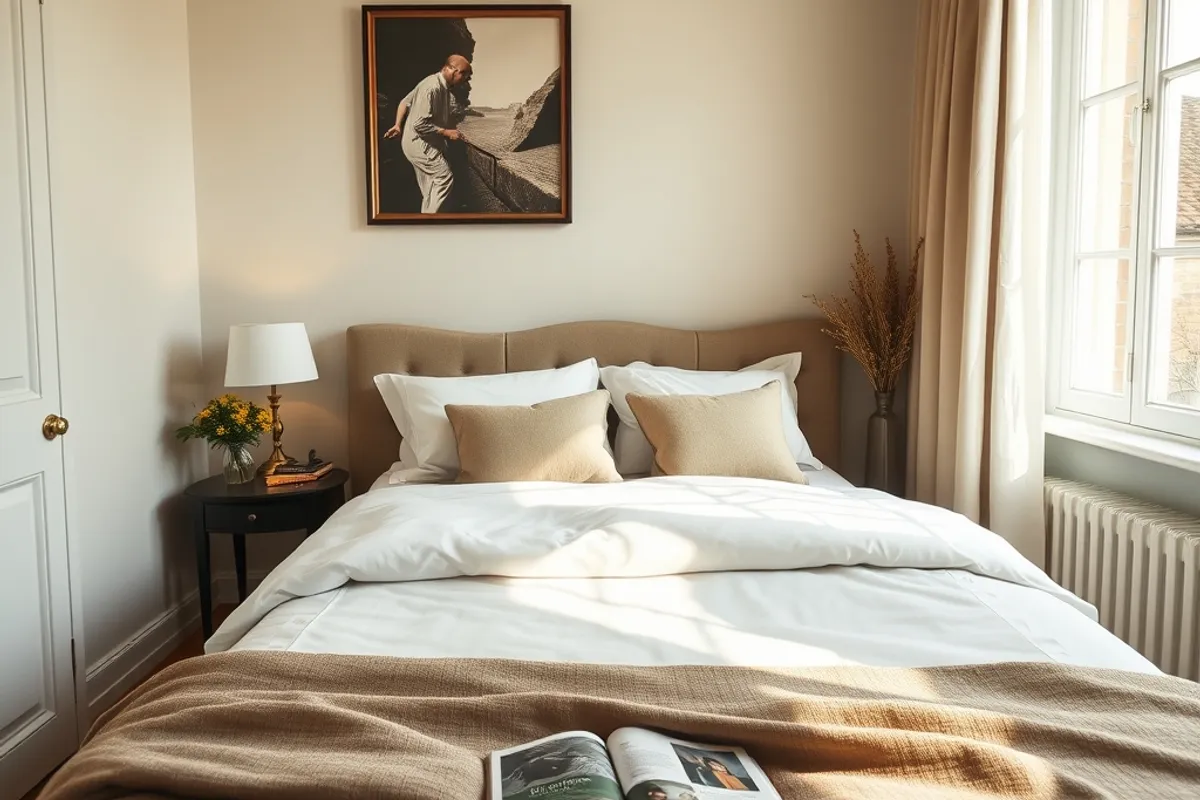
This five room townhouse sits on a steep lane in Alfama, a short climb from the river. We paid 190 euros a night in March for a corner room with a small iron balcony. The building dates to the 1700s and the owners kept the stone walls and low timber ceilings instead of painting them flat. Breakfast is served at one long table, which forces a conversation you might otherwise avoid.
The trade off is noise. Trams and late bars carry up the hill, and the rooms facing the lane hear all of it. Ask for the back room, which looks onto a courtyard and a lemon tree. Book direct and the owners will hold your bags after check out, which is worth more than a loyalty point when your flight is at nine.
Copenhagen: the design house by the harbour
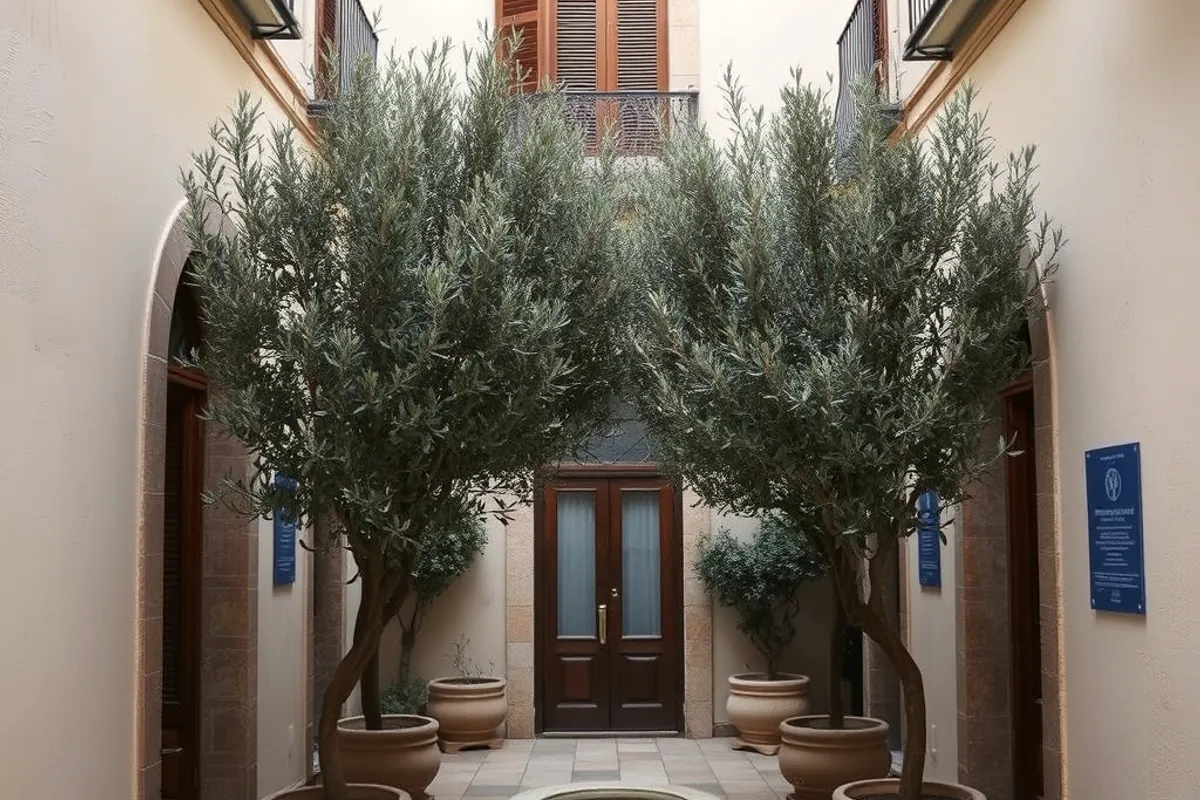
Twenty two rooms fill a former warehouse on the edge of the harbour, and the light is the reason to come. We stayed in June and paid 320 euros for a loft with a sleeping platform and a wall of glass facing the water. The furniture is Danish and, unusually for hotels, comfortable rather than precious. Bicycles are free, and the city is flat enough that you will actually use one.
Summer here is bright and long, so the curtains matter, and these are good. Winter is a different hotel: rates drop to about 210 euros and the harbour turns grey. The ground floor cafe roasts its own beans and stays open to locals, which keeps the lobby from feeling like a set. For a wider city plan, read our guide to small European stays.
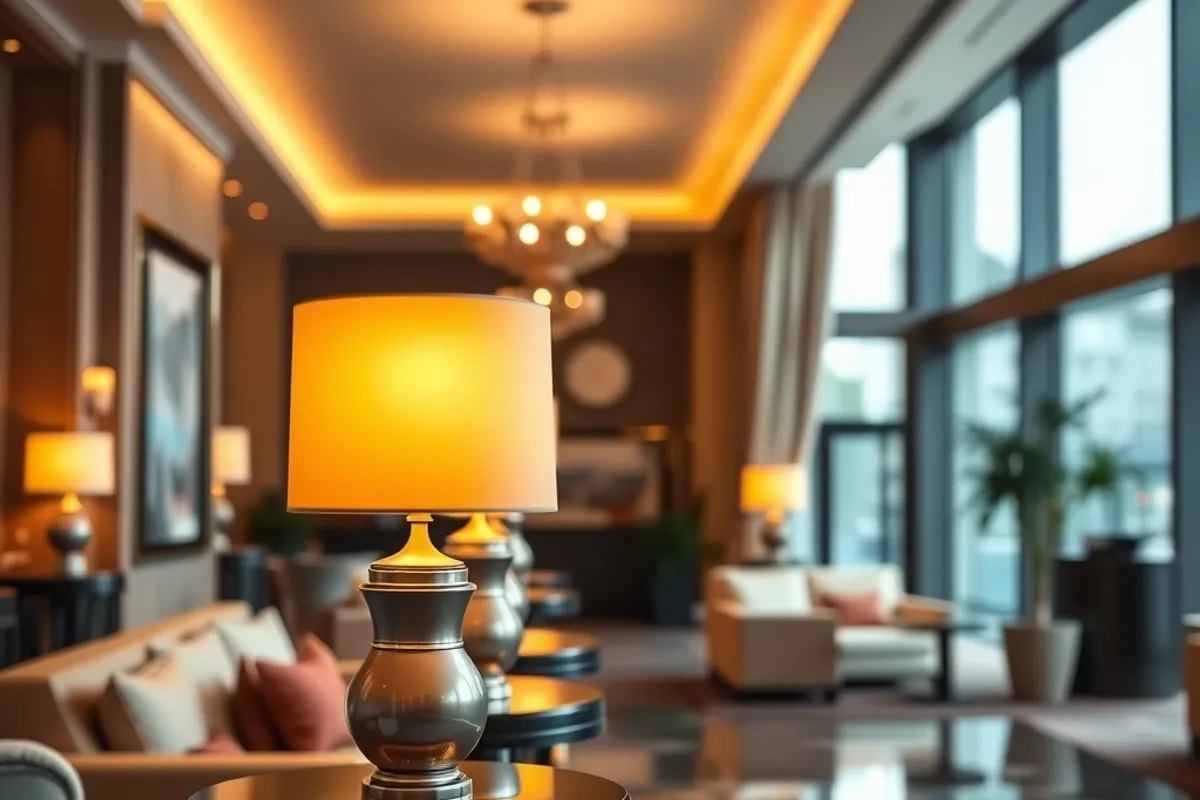
The best boutique hotel earns its price with one thing you cannot copy: a room you are reluctant to leave.
The Cotswolds: a mill that turns slowly
A converted water mill in a valley outside Stow, with 14 rooms and a stream that still runs through the dining room. We paid 240 euros in October for a riverside room with a copper bath. The owners restored the wheel, which turns during the day and stops at night, so the sound is steady rather than annoying. Dinner uses vegetables from a kitchen garden fifty metres away.
You need a car. The nearest station is a 25 minute drive and taxis are scarce on a Sunday. Rooms in the old mill house are smaller but quieter than the newer annex, which faces the car park. Breakfast is included and generous, so skip lunch. In high season, July and August, the same room climbs nearer to 380 euros.
Seville: shade, tile and a rooftop pool
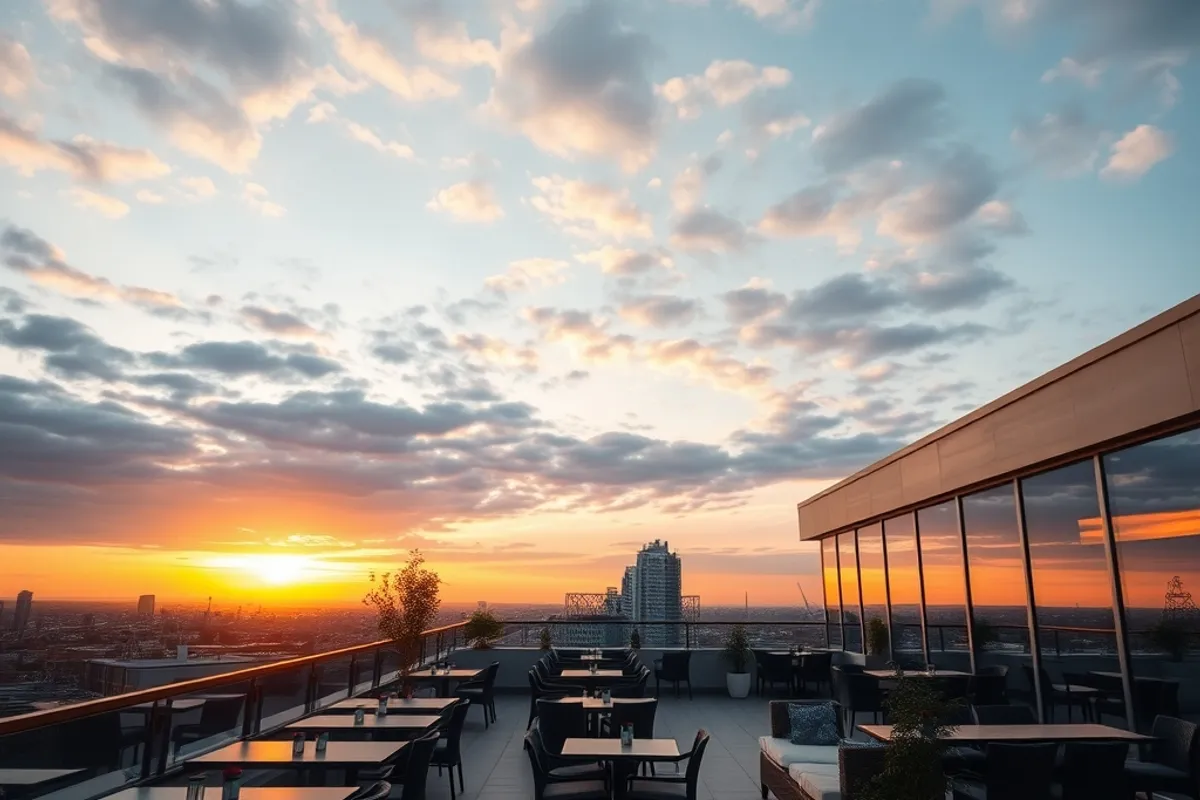
Twelve rooms around a tiled courtyard in the Santa Cruz quarter, with a rooftop pool the size of a large bath. We paid 170 euros in April for a room whose shutters turn midday into dusk. The owners keep the courtyard cool with fans and moving water, a design the city has used for centuries. In April the orange trees are in flower and the whole street smells of them.
April is also the Feria, when rates double and the streets fill. Go in late May instead: the heat climbs to 35 degrees but the pool and the shutters earn their place. Rooms on the top floor have the best terrace and the worst stairs, since there is no lift in a building this old. Ask about the airport bus, which costs under five euros.
Berlin: a studio block with a bakery below
A studio block in Kreuzberg with 24 rooms, a bakery on the ground floor and no lobby to speak of. We paid 145 euros in February for a plain room with a big window and a proper desk. The bakery opens at seven and the smell reaches the third floor, which is either the best or the worst alarm clock in the city. Staff hand you a map with their own marks on it.
This is the cheapest stay on our list and the least polished. Rooms are small and the walls are thin, so light sleepers should ask for the top floor. What it lacks in luxury it makes up for in location: two U-Bahn lines, a market on Tuesday and Thursday, and a canal walk ten minutes away. For booking tricks, see our nine tactics for cheaper rooms.
How we researched
We chose eight hotels across five countries and stayed at least two nights in each. We paid the public rate, or a rate any reader could book, and we noted the month because price swings more than any other single factor. We judged rooms, staff, breakfast and location, and we weighed the thing a listing never shows: whether we wanted one more night.
Our shortlist started at about forty properties and we cut it to eight. We ruled out anywhere with more than 30 rooms, and anywhere that felt like a chain wearing a boutique coat. Two hotels we liked fell away because a single bad room spoiled the stay, which is the honest risk of a small property.