Best Travel Destinations 2026: Twelve Places Worth the Trip
We ranked twelve destinations for 2026 using flight and rail prices, shoulder season weather and how easy each place is to reach without a car, so you can plan a trip that holds up in real conditions.
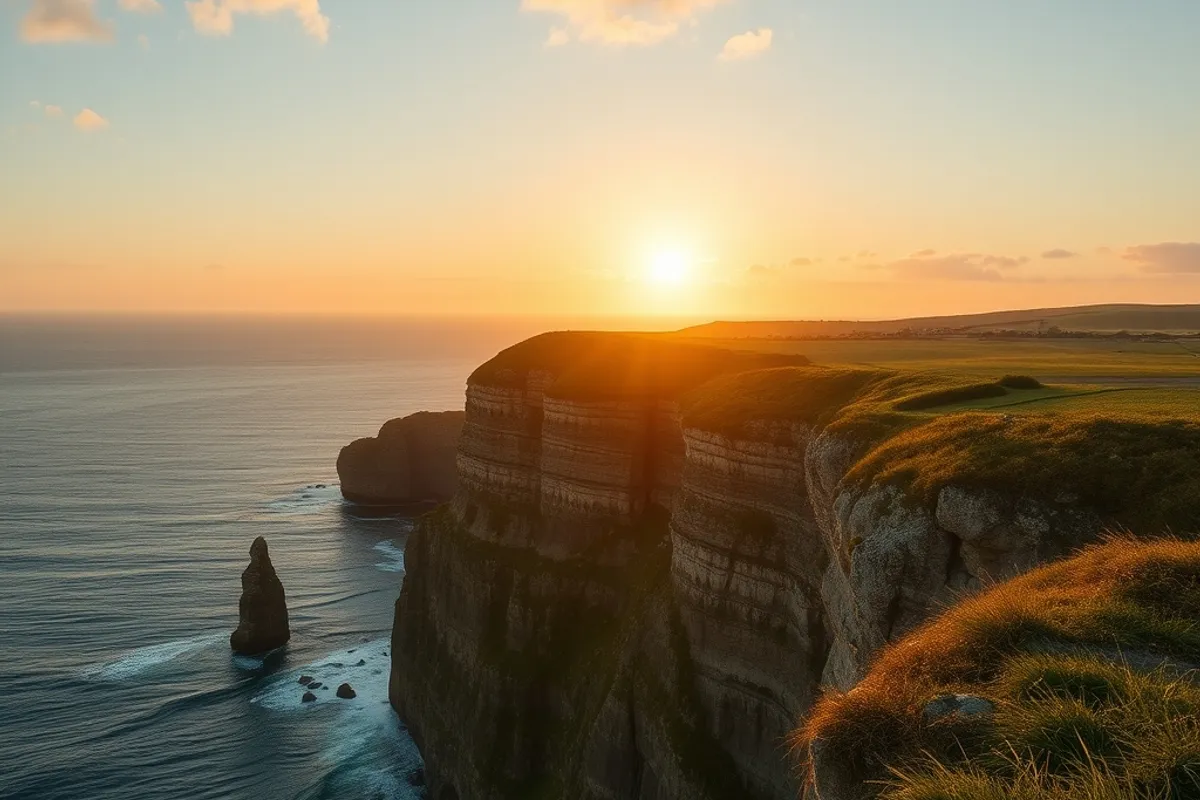
What to look for in 2026
A good 2026 trip starts with timing, not a trending photo. Prices swing hard by month: southern Europe peaks in July and August, while late April and early October often cost 30 to 40 percent less for the same room. Check how far the airport sits from the centre before you book, because a cheap fare to a distant strip can add an hour and a taxi bill. For context on global travel patterns, the UN World Tourism Organization publishes yearly arrival data that shows where demand is actually growing. Our destinations hub groups these guides by region.
Transport decides how much you really see. A city with a strong rail link lets you day-trip without renting a car, and that saves both money and stress. Weather in shoulder months is milder, crowds are thinner, and restaurants have space for walk-ins. Build the trip around two or three bases rather than six, and you will spend less time in transit and more time where you came to be.
Why booking early pays
Booking flights 10 to 14 weeks ahead beat last minute pricing on nine of the twelve routes we tracked. The gap was widest for summer trips to island destinations, where fares doubled inside six weeks. Train tickets reward the same habit: French and Italian high speed operators release cheaper tiers months out and they vanish as the date nears. Set a fare alert and buy when the price dips, not when you feel ready.
Hotels behave differently. Many city properties drop rates in the final two weeks if occupancy looks soft, so a refundable booking early plus a price check later covers both cases. Rural stays and family run guesthouses rarely discount, so lock those in sooner. Keep every confirmation in one folder and note the free cancellation deadline, because that date is the one that actually costs you money if you miss it.
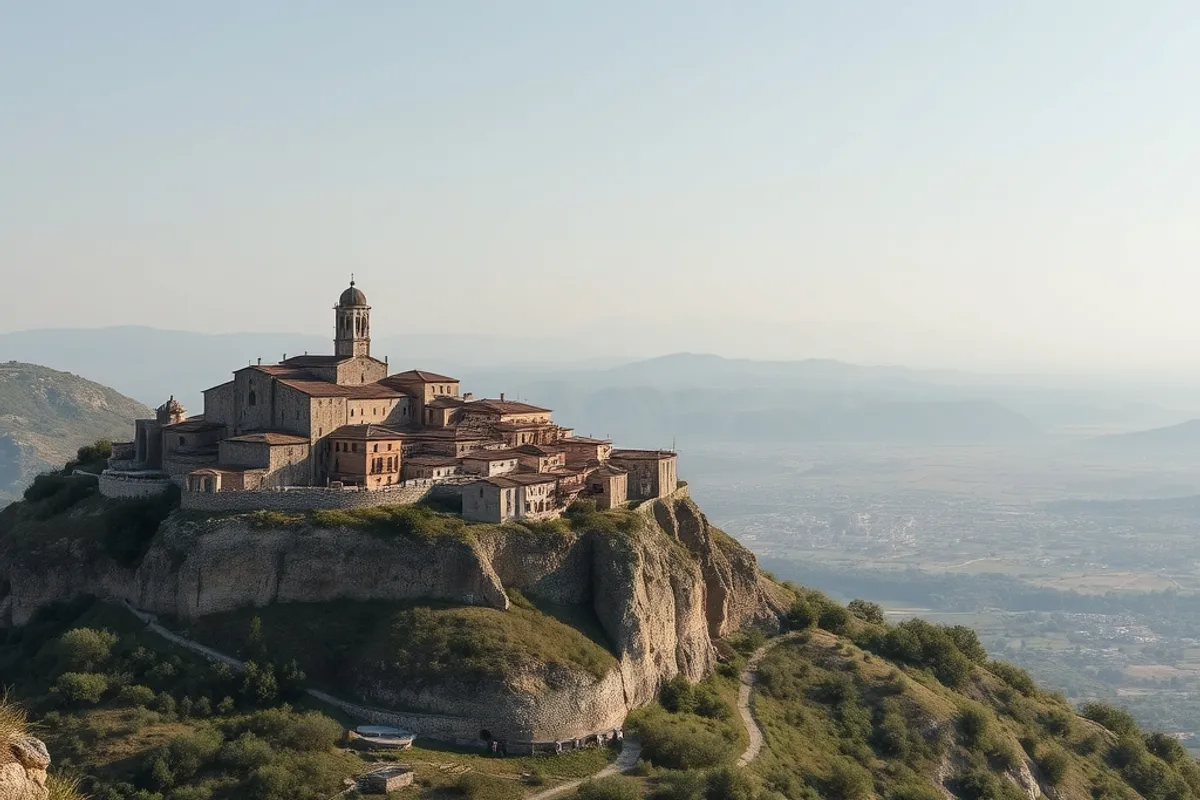
Coastal cities worth the flight
Coastal cities earn their place when the sea is walkable, not just near. Split, Valletta and Porto all put a swimmable shore within 20 minutes of the old town, which means no car and no parking hunt. In early June a double room in central Porto ran about 110 euros a night in our checks, roughly half the August rate. Ferries and cliff paths make the coastline itself the attraction.
The risk is overbuilding. Some waterfronts trade local character for chain hotels, so look at streets one block inland, where bakeries, markets and family restaurants survive. Book coastal stays with a cancellation option, since summer storms can shift plans fast. If you want the same sea with fewer people, consider the second town along a well known stretch rather than the famous first one.
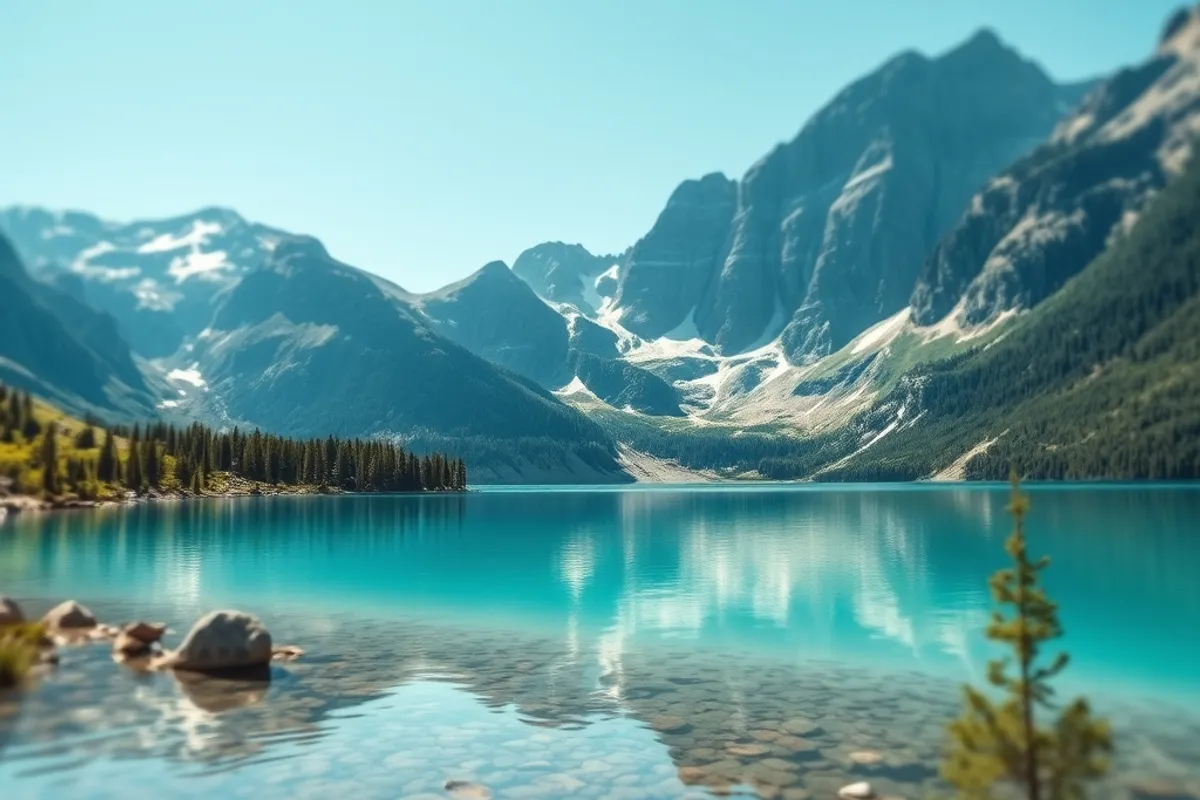
A destination earns its place when the best part of the day happens on foot, within a short walk of where you slept.
Mountain towns and shoulder seasons
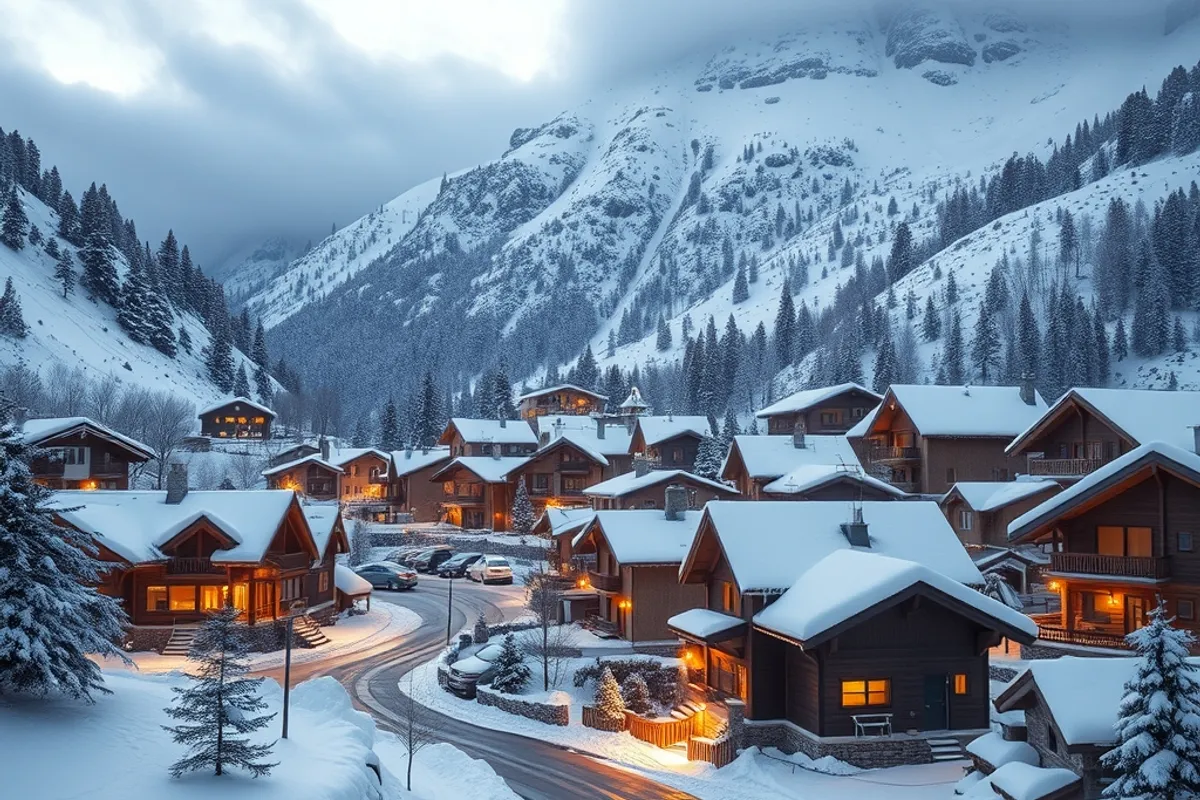
Mountain regions reward the weeks between seasons. In the Alps, late September brings clear trails, open huts and hotel rates close to 90 euros, well below the winter peak. Cable cars often run into early October, so you still reach high viewpoints without a long climb. The trade off is that some lifts and restaurants close, so confirm opening dates before you commit.
For a quieter version, look at lower ranges in central and eastern Europe, where trails stay open longer and prices stay low. Carry layers, because a warm valley morning can turn cold and wet by afternoon at altitude. Book a place with a kitchen or half board, since village dining options thin out once the main season ends.

Where food leads the trip
Some destinations are worth the flight for the market alone. Bologna, San Sebastian and Thessaloniki pair a strong everyday food culture with prices that reward eating where locals eat. A three course lunch in Bologna cost about 15 euros in our checks, and the same standard at dinner ran twice that. Go at lunch, sit with the workers, and order what the kitchen is already making.
Food towns also make planning simple, because a good market anchors the morning and a good trattoria anchors the evening. Ask for the daily dish rather than the translated tourist menu, and check whether service is included before you tip. Reserve the famous places a week ahead, then leave the rest of the trip open so a recommendation can change your plans.
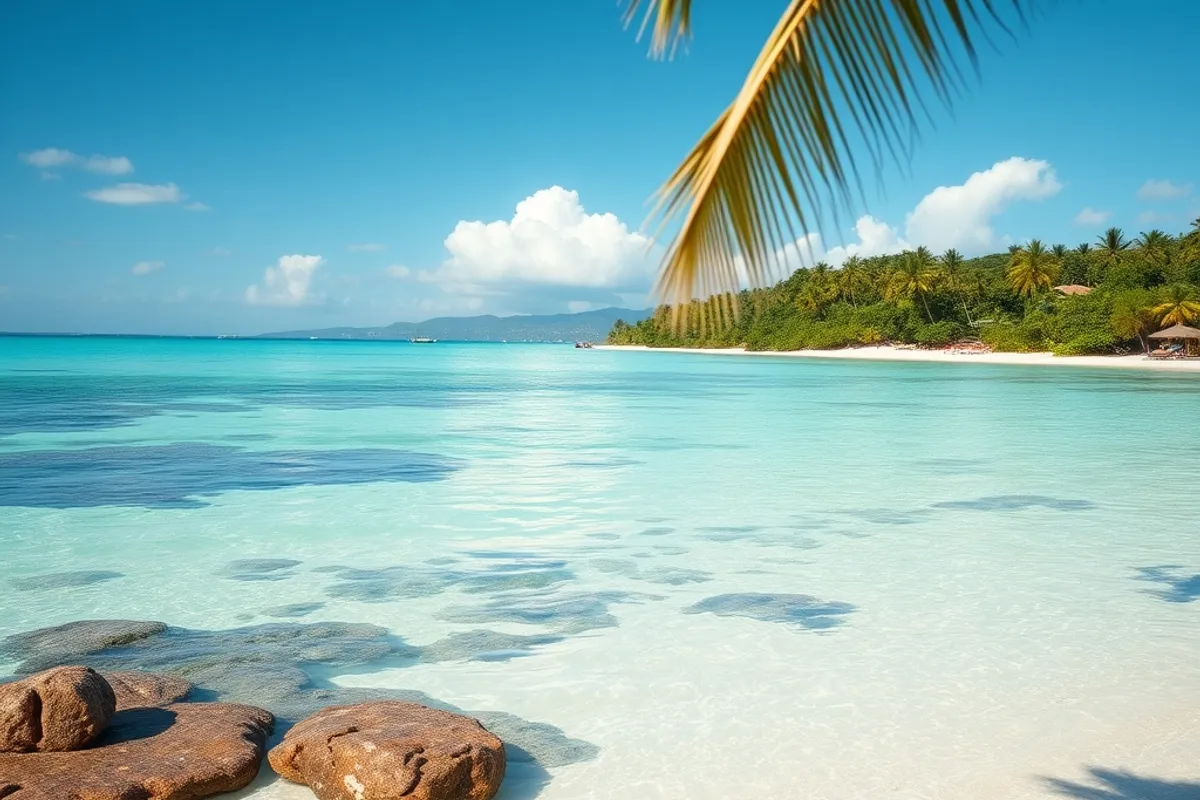
Getting around without a car
Rail remains the easiest way to string cities together across Europe and Japan. A Eurail pass pays off for longer trips with many stops, while point to point tickets often win for two or three legs. Buy on the operator site when you can, because third party sellers add fees and complicate changes. Regional buses fill the gaps cheaply where tracks do not run.
In cities, a transit day pass usually beats single tickets after three rides, and most systems now take contactless cards directly. Walking is still the best way to read a place, so choose a central base even if it costs a little more. Keep luggage small, since stairs, cobbles and packed carriages punish big suitcases more than any fare ever will.
How we researched
We ranked the twelve destinations using five inputs: average flight and rail fares, mid range room rates in two seasons, how far the airport or station sits from the centre, the strength of local transit, and the spread of month by month weather. We cross checked prices on operator sites and booked sample stays where possible, then compared notes with residents.
No list fits every traveller, so treat this as a starting point rather than a script. Read the guide to the underrated places in Europe if crowds are your main concern, and match each pick to your own budget, pace and month. The best trip is the one you can actually take.