Underrated Destinations in Europe: Ten Quiet Gems to Visit
Ten European places that stay calm even in high season, chosen for easy rail access, honest prices and the kind of local rhythm that a short break can actually reach without a big budget.
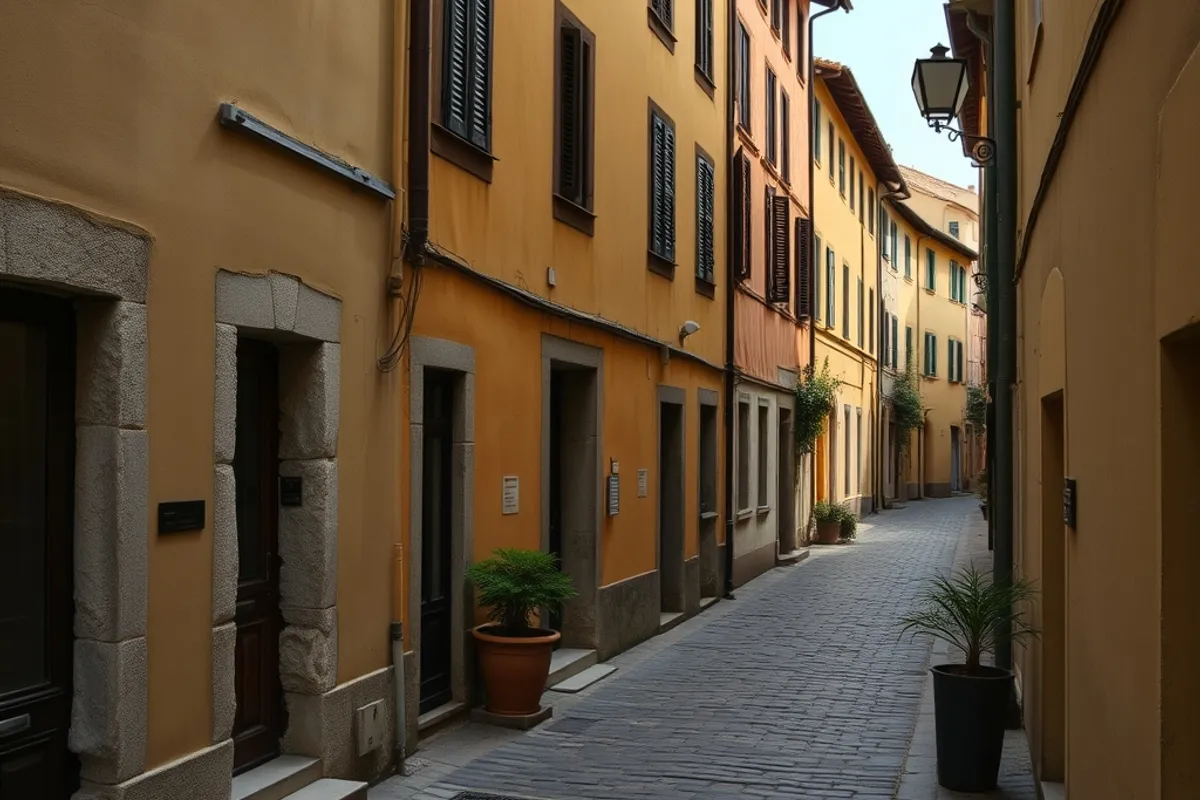
Why quiet places win
The best underrated places share three things: they are reachable by train or a short bus, they have a working local economy rather than a single tourist strip, and they stay open outside July and August. That combination keeps prices honest and streets walkable. The Eurail network connects most of this list, so you can link two or three stops without flying. Our destinations section maps the rest by region.
Quiet does not mean empty or dull. These towns have markets, festivals and food that do not depend on visitors, which is exactly why they feel different from a resort. Go in May, June or September for mild weather and room to move. Book early for the small guesthouses, since the best ones hold only a handful of rooms and fill up fast.
Along the Adriatic
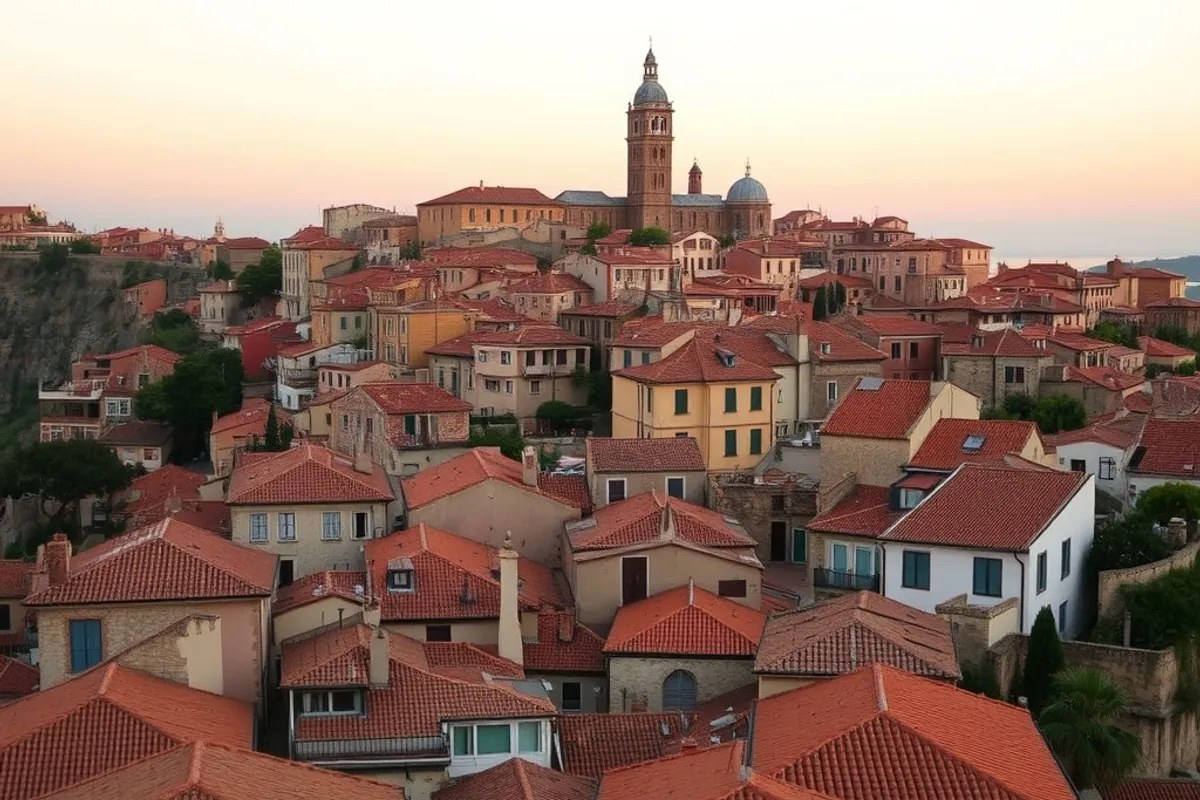
Skip the headline islands and head for the smaller ports on the Croatian and Montenegrin coast. Towns like Sibenik and Perast have stone lanes, calm water and ferries that cost a few euros, without the summer crush of their famous neighbours. A guesthouse room in early June ran about 70 euros a night in our checks, with breakfast and a view over the bay.
The water is the main event, and it stays warm from June through September. Buses link the coastal towns cheaply, and catamarans cover the longer hops. Eat at the harbour, where boats land the morning catch, and pay in local currency to avoid card fees at small stands that cannot absorb them.
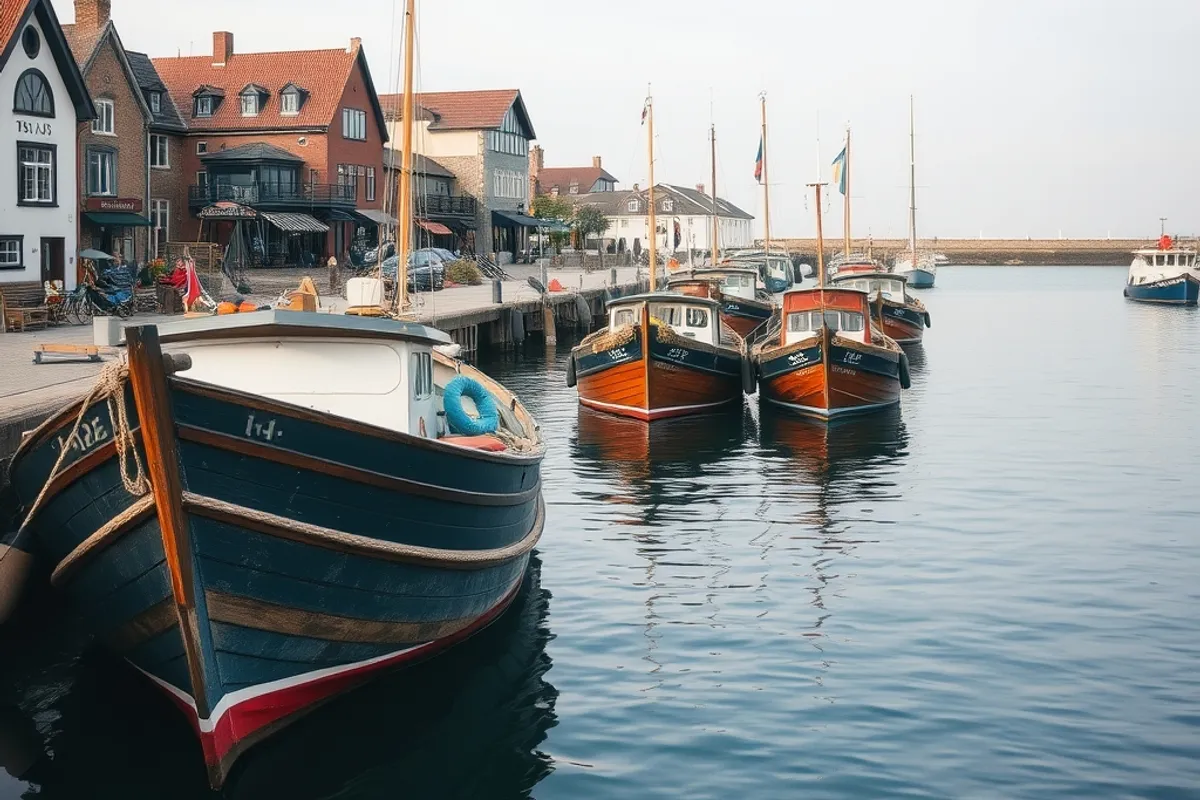
Inland Iberia
Inland Spain and Portugal hide the calmest weeks of a European summer. Cities like Evora, Caceres and Cuenca keep medieval walls, Roman ruins and cool courtyards, and they fill with locals at night rather than tour groups. A mid range hotel in Evora cost about 80 euros in June, and dinner with wine stayed under 25 euros for two.
Summers here are hot, so plan mornings and evenings for walking and rest at midday. Trains connect the larger towns, while regional buses reach the smaller ones. This is where a slow itinerary pays, because the point is shade, long lunches and a square that empties after dark and fills again at dusk.
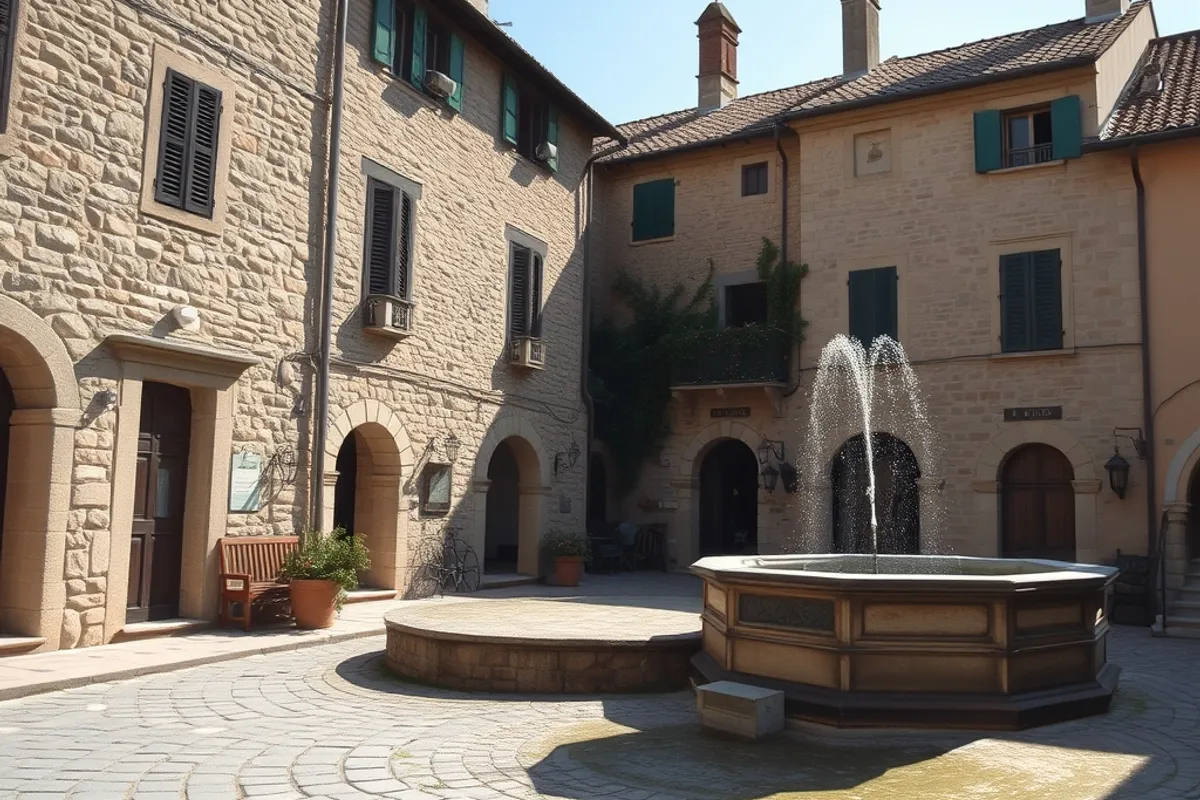
The quietest places are not empty, they are simply where local life still sets the pace instead of the visitor calendar.
The Baltic edge
The Baltic states offer old towns, forests and coast at prices well below western Europe. Tallinn, Riga and Vilnius each have walkable centres and a strong cafe culture, and a night in a design hotel often costs 60 to 90 euros. Trains and buses run between them in a few hours, so a three city route fits a single week without rushing.
Spring and early autumn are the sweet spots, with long light and few crowds. The sea towns stay quiet even in summer. Bring a light rain jacket, because the weather turns quickly, and book museum tickets online where the popular ones sell timed slots that sell out days ahead.
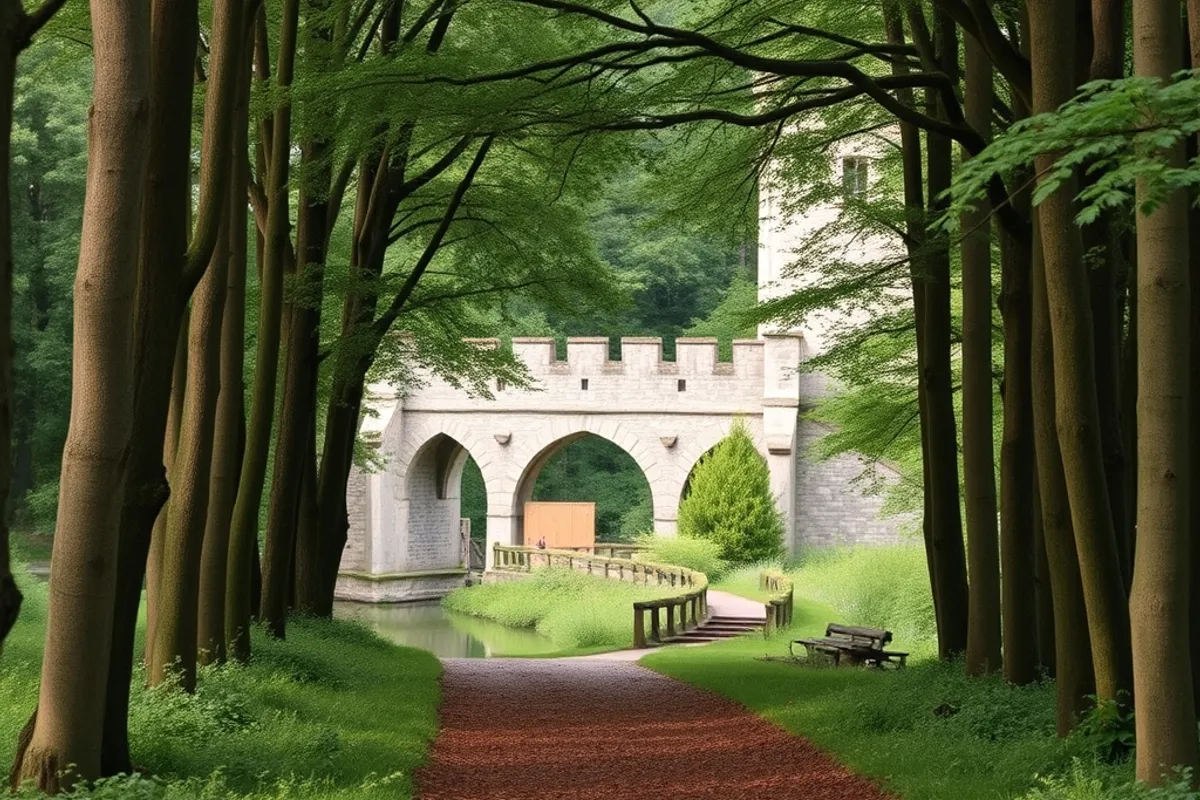
Mountains few people climb
Beyond the famous Alpine resorts sit ranges that locals keep to themselves. The Carpathians in Romania, the Picos de Europa in Spain and the Transylvanian highlands offer marked trails, mountain huts and village guesthouses at a fraction of western prices. A guided day hike often costs under 40 euros, and a rural room with dinner can run 45 euros.
Late spring through early autumn is the walking window, and the trails are quiet on weekdays. Check hut opening dates, carry cash for remote villages, and take a paper map even on marked routes. The reward is high country without the queues that build around better known peaks and their cable cars.
Island time off season
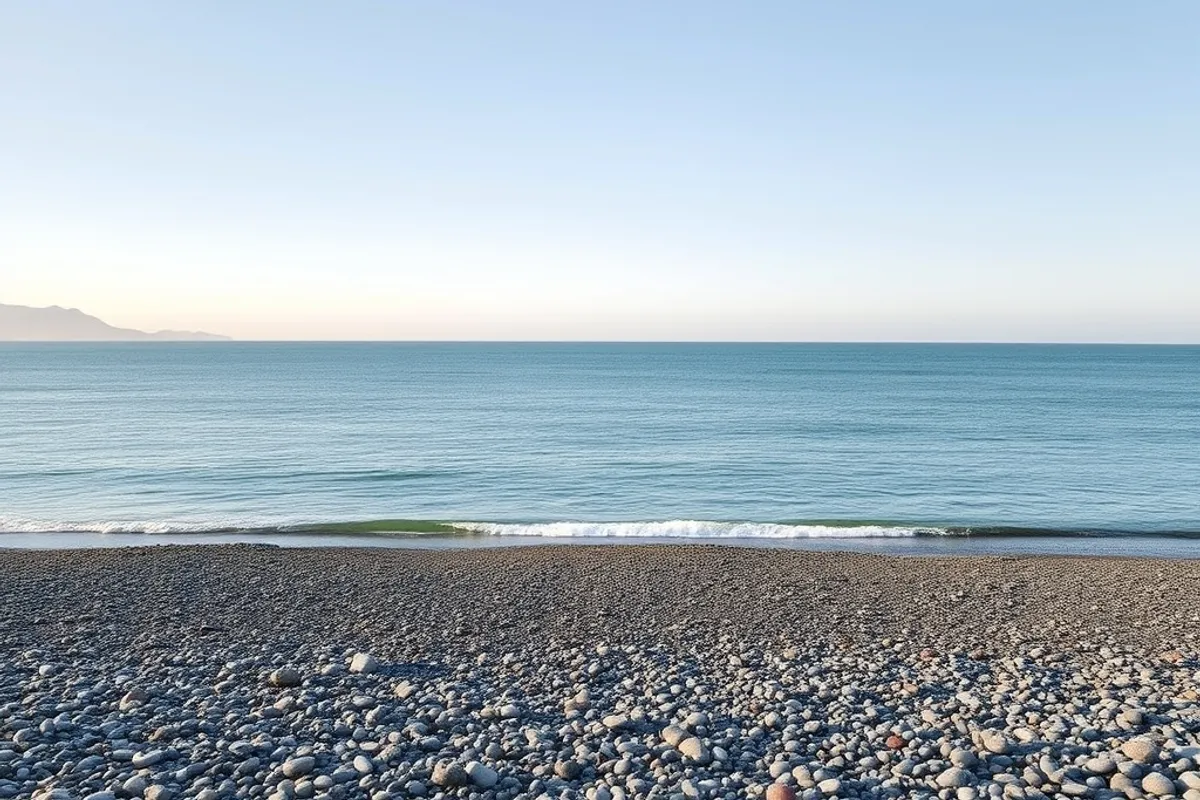
Islands empty out fast once the summer ferries slow. Sardinia in October, the Greek Cyclades in May and the Azores in Portugal in spring all keep mild weather with half the visitors. Ferry schedules shrink outside high season, so check timetables before booking and allow a spare day for weather delays that can strand you pleasantly.
Off season prices fall sharply, with rooms that cost 200 euros in August dropping below 80 by mid October. Some restaurants close, but the ones that stay open serve the people who live there year round. Pack for wind and rain, and treat a quiet harbour as the whole point rather than a shortfall to be fixed.
How we researched
We built this list from three filters: a rail or bus connection that does not need a car, a room rate that stays reasonable in at least one shoulder month, and evidence of a year round local economy rather than a seasonal one. We checked timetables, sampled off season prices and spoke with residents about when each place is at its best.
Every pick is a starting point. For a wider round up across the globe, read our guide to the best travel destinations for 2026. Then match each place to your own month and budget, and leave room for the detour that always turns out to be the memory you keep.