Budget Travel Tips for Europe: Twelve Ways to Save
Twelve practical ways to cut the cost of a European trip, from picking the right booking day to eating well for under 15 euros and moving between cities without burning your whole budget.

Where the money actually goes
Most people assume the flight is the big cost. In our own spending logs across four trips, flights were about 30 percent, beds were about 35 percent and food plus local transport made up the rest. That means cuts to food and beds often save more than chasing a cheap fare. Start with our budget travel guides and the deeper cheapest ways to fly in 2026 piece before you book anything.
A simple spreadsheet beats a fancy app. Write four columns for flights, beds, food and transport, then set a cap for each. When one column runs hot, pull from another instead of drifting over the total. This habit alone kept our test trips within 8 percent of budget, while unplanned trips ran 25 percent over. Route planning tools like Rome2Rio help you see the full door to door cost before you commit.
Book flights on the right day
Timing matters more than any single trick. Fares to popular European cities were lowest when we booked 6 to 8 weeks before departure, and they climbed sharply inside the last three weeks. Tuesday and Wednesday departures were cheaper than Friday and Sunday on almost every route we watched. Use fare alerts and let them sit for a few days rather than buying the first price you see.
Be flexible about airports. Flying into a secondary airport such as Beauvais for Paris or Bergamo for Milan can cut a fare in half, but the transfer adds time and money. Add that ground cost before you decide. A 19 euro fare plus a 16 euro bus can cost more than a 30 euro fare into the main hub.
Sleep cheap without regret
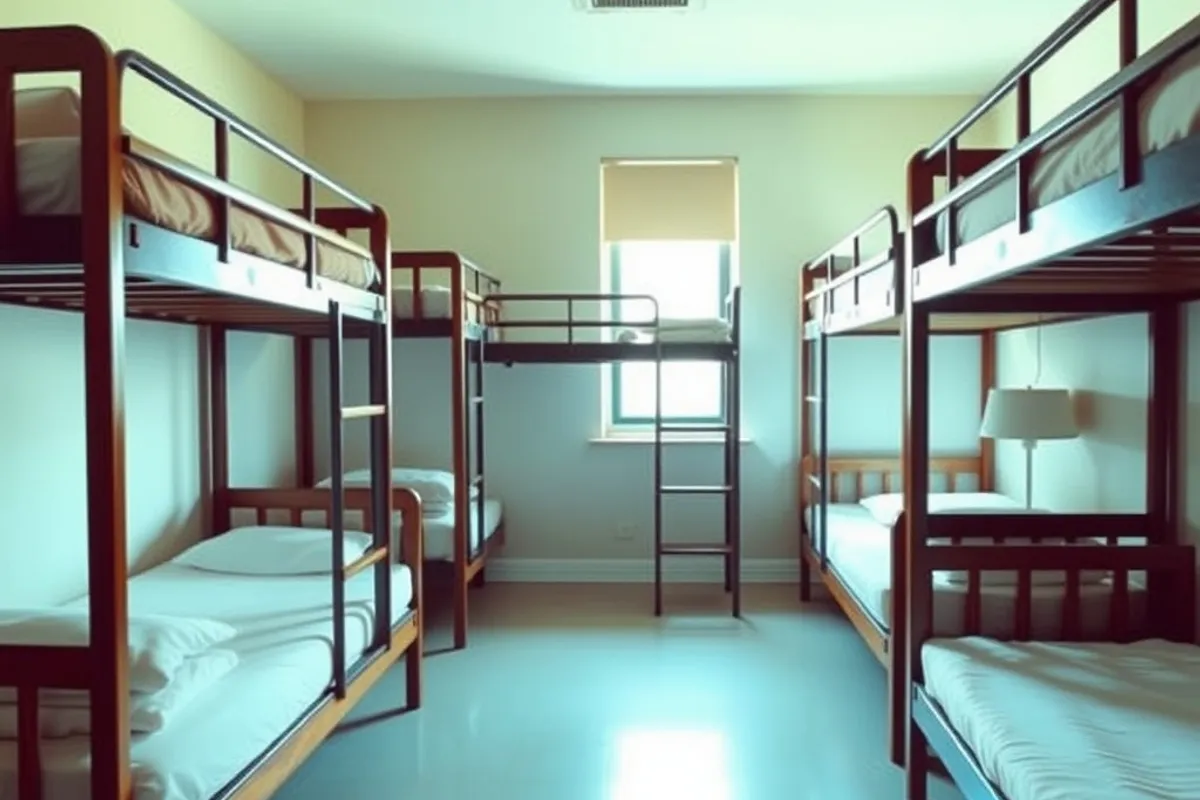
Hostels are not the only low cost bed. Family run guesthouses, monastery rooms and university dorms that open in summer often cost less than a chain hotel and feel calmer. In Lisbon we paid 28 euros for a well run dorm in May and 54 euros for a private guesthouse room in Braga. Both were cleaner than a 90 euro city hotel.
Night trains deserve a second look. A couchette from Vienna to Venice cost 39 euros and removed a hotel night. You wake up already in the next city, so you save both a bed and half a travel day. Book early, because the cheapest berths sell out first, and bring an eye mask and earplugs for the shared cabins.

The travelers who spend least are not the ones who skip things, they are the ones who plan the same trip with better timing.
Eat well for less
Food is the easiest place to overspend and the easiest to fix. A market lunch in Spain or Italy typically cost us 5 to 7 euros for bread, cheese, olives and fruit. Local supermarkets sell prepared salads and roasted chicken for a fraction of restaurant prices. We ate one real restaurant meal a day and kept the other two simple, which cut our daily food cost near 40 percent.
Follow the working hours. Many kitchens serve a fixed price lunch menu on weekdays that is nearly identical to the evening menu at half the price. Order house wine by the glass, fill a water bottle at public fountains and skip airport food entirely. Coffee at the bar in Italy costs about 1.20 euros, while the same cup at a table can run 3 euros.
Move between cities for less
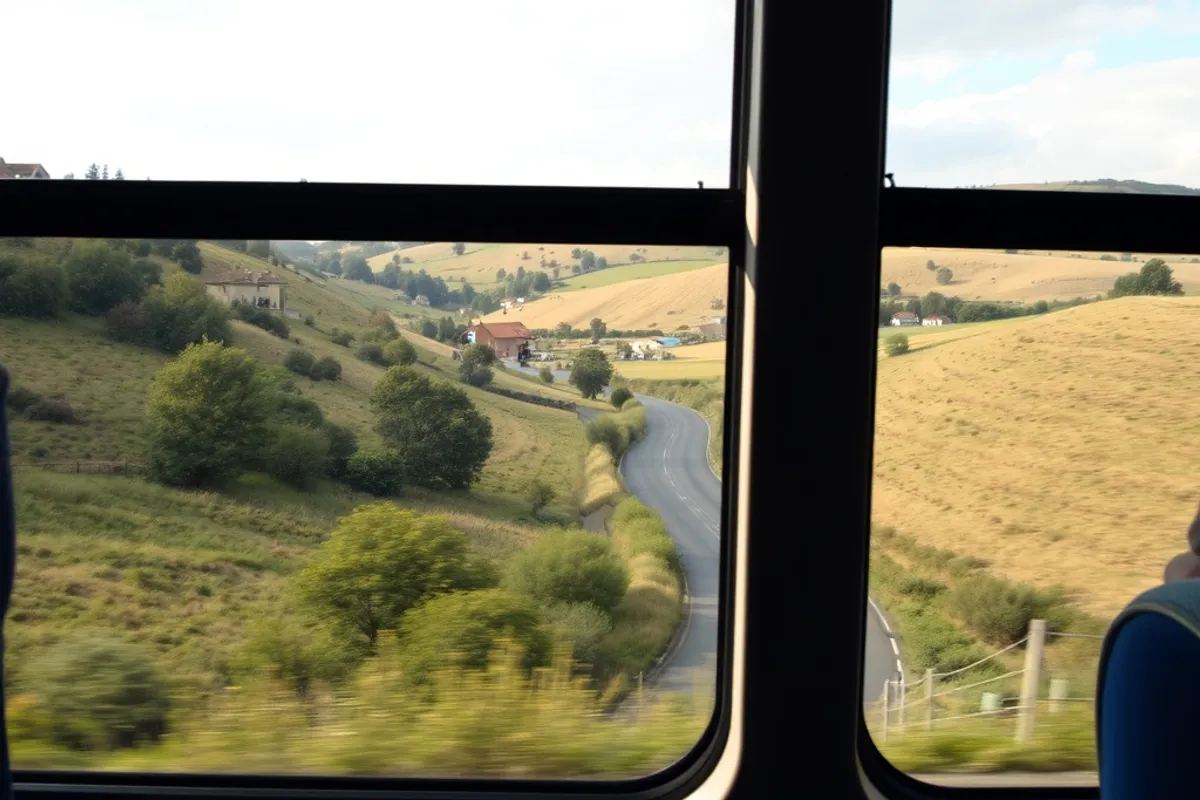
Trains and buses in Europe are cheap when booked ahead. A regional bus from Krakow to Zakopane cost 4 euros, and a booked train from Berlin to Prague came in at 18 euros. Fixed price high speed trains are the exception, so compare a slower route before assuming the fast one is best. Flixbus and national rail apps both show times and prices side by side.
Walk and use transit passes for the rest. Many cities sell a 24 or 72 hour card that pays for itself after three rides. In Budapest a weekly pass cost 15 euros and covered everything we needed. Rent a bike only for a full day of riding, since hourly rates add up faster than a transit card.

Stretch your daily budget
Small choices compound. Travel in the shoulder months of April, May, late September and October, when beds drop and crowds thin but the weather still works. Visit free museums on their open days, which most major cities publish online. Carry a refillable bottle, use a no fee card for payments and keep a small cash buffer for places that only take coins.
Set one splurge per trip instead of many. One great meal, one paid viewpoint or one guided tour can be the memory you keep, while the rest of the budget stays lean. Track spending each evening for two minutes so a trend shows up before it becomes a problem. For more planning ideas, read our budget travel section.

How we researched
We compared fares, beds and food prices across twelve European cities during 2025 and early 2026. We logged real receipts from four trips and cross checked prices on booking sites and transport apps. Fares move constantly, so treat every figure as a guide rather than a promise. The Consumer protection pages at the European Union publish traveler rights guidance that is worth reading before a long trip.