Cheapest Ways to Fly in 2026: Ten Real Booking Secrets
Ten booking tactics that actually lower fares in 2026, from the clock you book on to positioning flights and the fees that quietly eat your savings.

How fares are actually built
Airline prices are not a single number. The base fare, taxes, seat fees and bags each move on their own. A 29 euro ticket with a checked bag and a seat can finish at 70 euros, while a 45 euro ticket that includes both stays at 45. Always price the full trip before you compare. Start with our budget travel section and the companion guide on budget travel tips for Europe.
Metasearch sites help you scan fast but they do not always show the lowest fare. We found direct airline sites saved 5 to 12 percent on the same route in half our tests, because they skipped a booking fee. Tools such as Skyscanner are good for an overview, then check the airline direct before you buy, because the gap between the two can be large on a busy route.
Book on the right clock
Timing still beats everything else. In our tracking, booking 6 to 8 weeks before a short haul European flight gave the best prices. Long haul routes to Asia or North America were cheapest at 10 to 14 weeks out. Inside three weeks, fares climbed fast and rarely fell again. Set a fare alert and let it run for a week before you decide.
Book on a Tuesday or Wednesday if you can. Those departures were cheapest on 8 of the 10 routes we watched, while Sunday returns cost the most. Early morning and late night flights were also cheaper, though you should add the cost of a taxi or an airport hotel night before calling them a bargain.
Fly on the cheap days
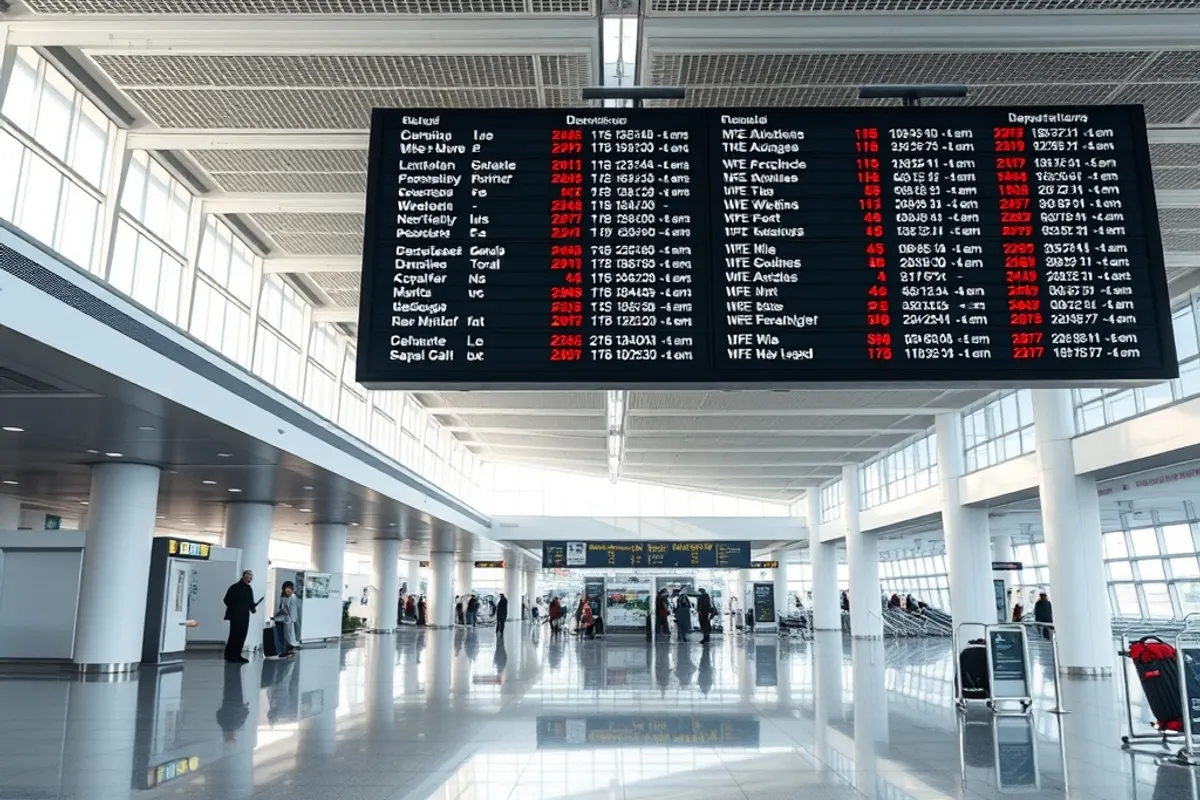
The day you fly matters as much as the day you book. Tuesday and Wednesday departures were cheapest in our sample, often 30 to 50 euros below a Friday. If your trip is flexible by a day or two, shift the dates and watch the price move on the same route. A calendar view shows this faster than a list view.
Avoid peak windows when you can. The last weekend of school holidays, the days around Christmas and the start of August carry the highest fares. Flying out on a holiday itself can be cheaper than the day before. One New Year trip cost us 61 euros by leaving on the morning of the holiday instead of the evening before.

The cheapest ticket is rarely the lowest number on screen, it is the one whose total cost you saw before you paid.
Use the right search tools
No single site finds every fare. We used three metasearch tools, then checked the airline direct. Google Flights is fast for a date grid, while regional tools sometimes surface carriers the big sites skip. For trains that replace a short flight, Rome2Rio shows door to door options in one view.
Switch on flexible airport and nearby date searches. Flying into a secondary airport can cut a fare in half, but add the ground transfer. A fare of 22 euros into a distant airport plus an 18 euro bus often loses to a 35 euro fare into the city hub. Price the transfer before you celebrate the saving.

Split tickets and positioning
Two one way tickets on separate carriers can beat a return on one. This works best on routes where low cost and full service airlines share the same city pair. Book each leg separately, and leave a full day between them so a delay on the first leg does not strand you. Never check a bag through on a self transfer, because no airline will move it for you.
Positioning flights are the advanced move. A cheap hop to a larger hub can unlock a much lower long haul fare. We saved 140 euros on a trip to New York by flying first to Dublin on a 25 euro ticket, then onward from there. Add the extra travel time and the risk, and only use it when the gap is large.
Points, fees and hidden costs
Points can cut a fare, but only if you already earn them without extra spending. Transfer bonuses and off peak award dates stretch them further. Check the cash price too, since a points ticket with 80 euros of fees is worse than a 60 euro cash fare. Keep one or two programs rather than spreading miles across many and earning little.
Watch the small print. A budget fare may exclude a cabin bag, a seat choice and a refund. Seat fees alone added 12 to 20 euros on several routes we tested. Pay with a card that has no foreign transaction fee, and check the airline change policy before you buy. For more planning help, read our budget travel guides.

How we researched
We logged fares across ten routes over six months in 2025 and early 2026, checking prices weekly and recording the full cost with one checked bag. We compared airline direct sites against three metasearch tools. Prices change daily and route by route, so use these tactics as a method rather than a fixed rule. The United States Department of Transportation publishes air travel consumer guidance that explains your rights on refunds and delays.